Central Green Spaces & Parks: Urban Oases & Nature Trails
Introduction to Urban Green Spaces
Urban green spaces represent the breathing lungs of our concrete jungles, offering residents and visitors alike a chance to reconnect with nature without leaving the city limits. These carefully planned and maintained areas serve as vital components of modern urban planning, creating balance between development and environmental preservation. From sprawling botanical gardens to intimate neighborhood parks, these green havens provide essential services that extend far beyond their aesthetic appeal.
The concept of urban green spaces has evolved significantly over the past century, transforming from simple recreational areas into complex ecosystems that support biodiversity, manage stormwater, and improve air quality. Cities worldwide have recognized that investing in green infrastructure isn’t just about beautification – it’s about creating sustainable, livable communities that can thrive in an increasingly urbanized world. These spaces become gathering points for communities, venues for education, and sanctuaries for both wildlife and weary city dwellers seeking respite from urban stress.
Definition and Importance of Urban Green Spaces
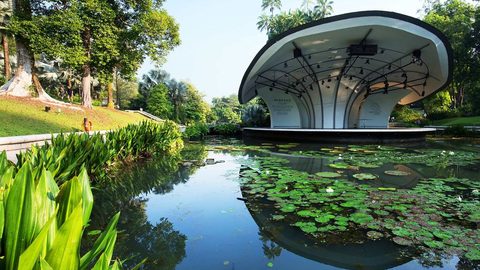
Urban green spaces encompass a diverse range of natural and semi-natural areas within city boundaries, including parks, gardens, forests, wetlands, and green corridors that connect different habitats. These areas are characterized by their vegetation cover and their accessibility to the public, though they may vary greatly in size, design, and management approach. The Singapore Botanic Gardens exemplifies how these spaces can achieve international recognition while serving multiple functions as research centers, conservation areas, and recreational destinations.
The importance of these green oases extends beyond their obvious recreational value. They serve as natural air purifiers, absorbing pollutants and producing oxygen, while also helping to regulate urban temperatures through evapotranspiration and shade provision. Green spaces act as natural sponges during heavy rainfall, reducing flood risks and managing stormwater runoff that might otherwise overwhelm urban drainage systems.
Benefits of Green Spaces in Urban Environments
The benefits of urban green spaces ripple through every aspect of city life, creating positive impacts that touch residents’ physical health, mental wellbeing, and social connections. Regular access to green environments has been scientifically proven to reduce stress hormones, lower blood pressure, and boost immune system function. People living near parks and nature areas tend to be more physically active, leading to reduced rates of obesity, diabetes, and cardiovascular disease.
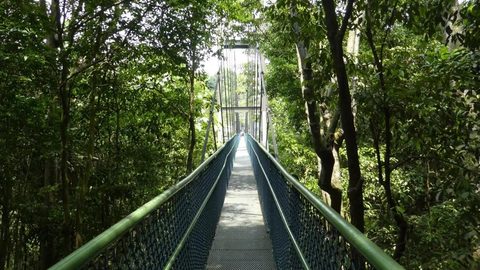
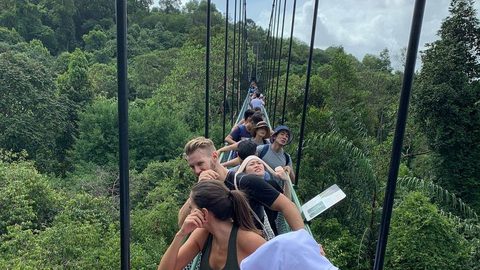
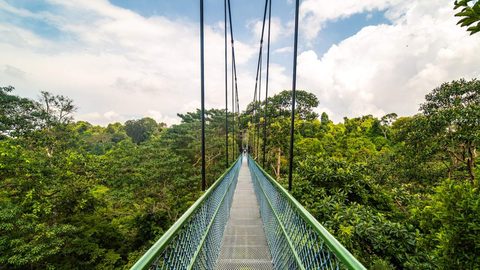
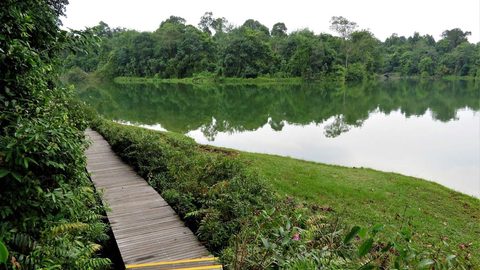
Mental health benefits are equally compelling, with studies showing that even brief exposure to natural settings can improve mood, reduce anxiety, and enhance cognitive function. The MacRitchie Reservoir area demonstrates how urban green spaces can offer diverse experiences, from peaceful water views to challenging nature trails that provide both physical exercise and mental restoration. These environments become particularly valuable for children’s development, offering spaces for unstructured play and environmental learning that screen-based entertainment simply cannot replicate.
Challenges in Maintaining Urban Green Spaces
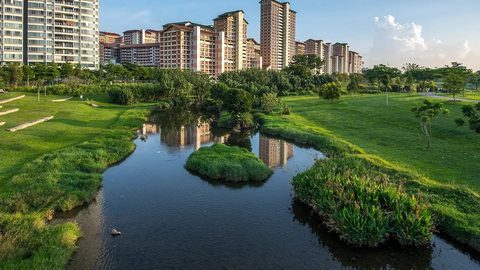
Maintaining urban green spaces presents unique challenges that require careful balance between conservation goals and public access needs. Land scarcity in dense urban areas creates pressure to convert green spaces for development, making it essential for city planners to demonstrate the economic value these areas provide through ecosystem services and property value enhancement. The Bishan Ang Mo Kio Park showcases innovative solutions by integrating flood management with recreational facilities, proving that green spaces can serve multiple urban functions simultaneously.
Climate change adds another layer of complexity, as urban green spaces must be designed to withstand extreme weather events while continuing to provide their essential services. This requires selecting resilient plant species, implementing efficient irrigation systems, and creating adaptive management strategies that can respond to changing environmental conditions. Funding remains a persistent challenge, as the long-term benefits of green spaces often compete with more immediate urban priorities for limited municipal budgets, requiring creative financing solutions and strong community advocacy to ensure these vital spaces receive adequate support.
Frequently Asked Questions
What are urban green spaces?Urban green spaces are natural and semi-natural areas within city boundaries, like parks, gardens, and wetlands, designed to provide recreational and ecological benefits.
How do green spaces benefit mental health?Access to green spaces has been shown to reduce anxiety, improve mood, and enhance cognitive function through exposure to nature.
What challenges do urban green spaces face?Challenges include land scarcity, climate change impacts, maintenance costs, and the need to balance conservation with public access.
How do urban green spaces affect physical health?Living near green spaces encourages physical activity, which can lead to lower rates of obesity, diabetes, and cardiovascular diseases.
What innovative solutions exist for maintaining urban green spaces?Examples include integrating flood management with recreational facilities and selecting resilient plant species to adapt to climate change.
The Vital Role of Green Spaces in Urban Life
As cities continue to grow and evolve, the importance of central green spaces cannot be overstated. They are essential for fostering community, improving public health, and enhancing biodiversity. By overcoming challenges and investing in these urban oases, we can ensure that future generations enjoy the myriad benefits they provide.