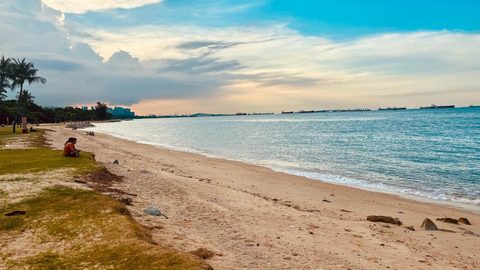
East Coast & Changi: Coastal Charms and Aviation Wonders
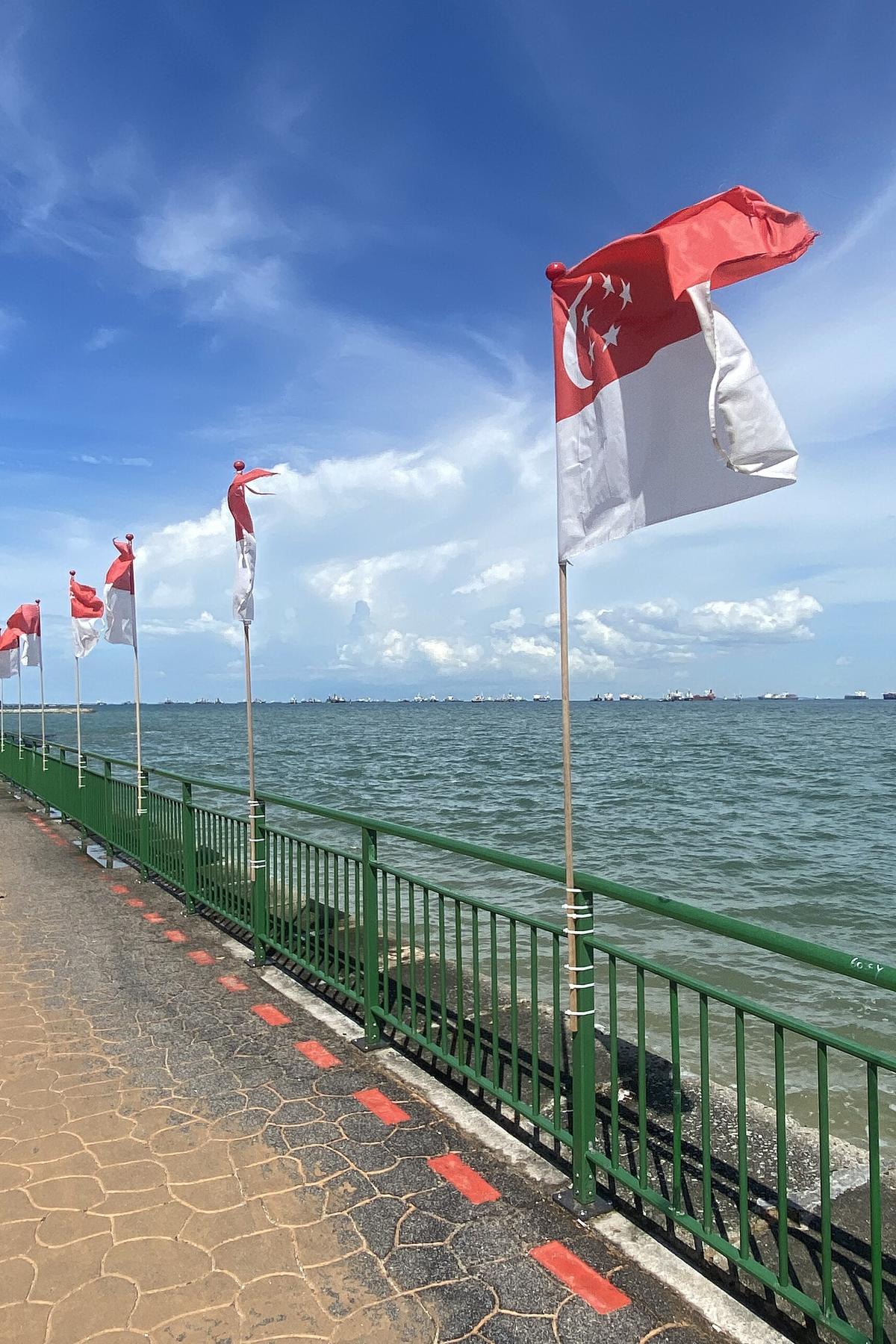
Gateway to Singapore’s Coastal Heritage
Singapore’s eastern coastline presents a captivating blend of natural beauty, rich history, and modern marvels that few destinations can match. The East Coast and Changi regions stand as testament to the island nation’s ability to preserve its heritage while embracing innovation. From pristine beaches and mangrove wetlands to world-renowned aviation facilities, this corner of Singapore offers visitors an extraordinary journey through time and nature.
The area’s strategic location has shaped its development over centuries, transforming from quiet fishing villages to bustling recreational hubs. Today, families flock to these shores for weekend getaways, history enthusiasts explore wartime remnants, and travelers experience some of the world’s finest airport amenities. The seamless integration of past and present creates an atmosphere where colonial architecture coexists with cutting-edge technology.
Cultural Significance of the Eastern Shores
The eastern coastline holds profound cultural importance for Singapore’s diverse communities. Traditional kampong life once thrived here, with fishing boats dotting the horizon and coconut groves swaying in the sea breeze. Local festivals and customs have been carefully preserved, offering glimpses into Singapore’s multicultural roots. The area’s transformation reflects the nation’s broader journey from colonial outpost to global city-state.
Modern development has been thoughtfully planned to respect these cultural foundations. Heritage trails wind through historical sites, while interpretive centers help visitors understand the region’s evolution. The balance between preservation and progress demonstrates Singapore’s commitment to honoring its past while building for the future.
Strategic Importance in Southeast Asia
Geographically positioned at the crossroads of major shipping lanes, the East Coast and Changi regions have always held strategic significance. This location advantage continues today, with Changi Airport serving as a crucial hub connecting Asia to the world. The coastal areas also play vital roles in Singapore’s maritime industry, supporting both commercial shipping and recreational boating.
The region’s natural harbors and sheltered waters made it an ideal settlement location for early inhabitants. These same geographical features now support modern infrastructure while maintaining ecological balance. The careful stewardship of coastal resources ensures that future generations will inherit both thriving ecosystems and world-class facilities.
Changi Village: Where Tradition Meets Modernity
Tucked away in Singapore’s northeastern corner, Changi Village retains the charm of a bygone era while adapting to contemporary needs. This quaint enclave feels worlds apart from the bustling city center, offering visitors a peaceful retreat where time seems to move more slowly. Traditional shophouses line quiet streets, their facades telling stories of generations past.
The village atmosphere encourages leisurely exploration, with hidden gems waiting around every corner. Local residents maintain strong community bonds, creating an authentic neighborhood feel that’s increasingly rare in modern Singapore. Weekend markets spring to life with fresh produce and handmade crafts, while elderly residents gather in coffee shops to share stories and play traditional games.
Authentic Local Flavors and Dining
Food culture thrives in Changi Village, where traditional recipes have been passed down through generations. The famous nasi lemak draws crowds from across the island, its fragrant coconut rice and spicy sambal representing the pinnacle of local comfort food. Street vendors and family-run eateries serve dishes that reflect Singapore’s multicultural heritage, from Malay rendang to Chinese wonton noodles.
The relaxed dining atmosphere encourages lingering over meals, a stark contrast to the fast-paced eating culture elsewhere in Singapore. Outdoor seating areas provide perfect vantage points for people-watching while savoring authentic flavors. Many establishments have operated for decades, their loyal customer base testament to consistent quality and genuine hospitality.
Living History and Cultural Preservation
Changi Village serves as a living museum where historical buildings house active businesses and residences. The preservation efforts have maintained architectural integrity while allowing for necessary modernization. Walking tours reveal layers of history, from colonial-era structures to traditional Chinese temples that continue serving local communities.
Cultural festivals and celebrations bring the village to life throughout the year, showcasing traditional arts, crafts, and performances. These events strengthen community bonds while educating younger generations about their heritage. The village’s commitment to cultural preservation offers valuable lessons in balancing development with historical conservation.
Remembering the Past at Changi Chapel and Museum
The somber history of World War II comes alive through carefully curated exhibits and preserved structures that honor those who suffered during Japanese occupation. Interactive displays and personal testimonies create powerful emotional connections, helping visitors understand the human cost of war. The museum’s educational mission extends beyond historical documentation to promote peace and reconciliation.
Replicas of original structures provide authentic settings for reflection and remembrance. The attention to historical accuracy ensures that future generations will understand the sacrifices made by prisoners of war and civilian internees. Guided tours offer deeper insights into daily life during the occupation, while educational programs reach students and community groups.
Powerful Stories of Survival and Resilience
Personal accounts from survivors form the heart of the museum experience, bringing abstract historical events into sharp human focus. Letters, drawings, and personal effects reveal the ingenuity and determination that helped people survive unimaginable hardships. These stories of resilience inspire visitors while honoring the memory of those who didn’t survive.
The museum’s collection continues growing through donations from families and veterans, ensuring that new stories and artifacts regularly enhance the exhibits. This ongoing expansion keeps the museum relevant and comprehensive, providing increasingly complete pictures of wartime experiences.
Educational Programs and Community Outreach
School groups regularly visit to learn about Singapore’s wartime history through age-appropriate programs that combine historical facts with moral lessons. Interactive workshops allow students to handle replica artifacts and participate in historical simulations. These educational initiatives help ensure that important historical lessons reach new generations.
Community partnerships extend the museum’s reach beyond its physical walls, bringing traveling exhibitions and speakers to schools and community centers. International collaborations with similar institutions worldwide foster broader understanding of global wartime experiences and their lasting impacts.
Coastal Adventures and Natural Wonders
The pristine coastline offers endless opportunities for outdoor recreation, from gentle beach walks to challenging water sports. Well-maintained facilities cater to families, fitness enthusiasts, and adventure seekers alike. The coastal boardwalk provides accessible routes for all ages and abilities, while specialized areas accommodate specific activities like fishing and kayaking.
Natural ecosystems thrive alongside recreational facilities, creating unique opportunities for environmental education and wildlife observation. Mangrove areas support diverse bird populations, while coastal waters host various marine species. Conservation efforts ensure that development doesn’t compromise ecological integrity.
Scenic Waterfront Pathways
The extensive boardwalk system connects multiple beaches and parks, creating continuous routes for walking, jogging, and cycling. Scenic viewpoints offer perfect spots for photography and contemplation, while rest areas provide comfortable breaks during longer journeys. The pathways are designed to minimize environmental impact while maximizing accessibility and enjoyment.
Interpretive signs along the routes educate visitors about local ecosystems, wildlife, and conservation efforts. These educational elements transform casual walks into learning experiences that deepen appreciation for coastal environments. Regular maintenance ensures that pathways remain safe and attractive year-round.
Water Sports and Beach Activities
Well-equipped facilities support various water activities, from beginner-friendly options to advanced pursuits requiring specialized skills. Equipment rental services make activities accessible to visitors without their own gear, while instruction programs help newcomers develop confidence and skills safely. The variety of available activities ensures that every visitor can find suitable options regardless of experience level.
Safety measures and lifeguard services provide peace of mind for families with children, while designated areas separate different activities to prevent conflicts. Beach volleyball courts, picnic areas, and playgrounds create comprehensive recreational environments that encourage extended visits.
Island Adventures and Eco-Tourism
Ferry connections to nearby Pulau Ubin open up additional adventure opportunities, from mountain biking through preserved kampong landscapes to guided nature walks through pristine wetlands. The island’s rustic character provides stark contrast to mainland Singapore’s urban environment, offering glimpses of how the region looked decades ago.
Eco-tourism initiatives on Pulau Ubin support conservation efforts while providing sustainable income for local communities. Guided tours led by knowledgeable locals reveal hidden gems and share traditional knowledge about island ecosystems and cultural practices.
Historical Significance of Changi Point
Changi Point’s strategic location at Singapore’s northeastern tip has made it a focal point for significant historical events spanning centuries. From early Malay settlements to British colonial development, the area has witnessed continuous transformation while maintaining its maritime importance. Archaeological discoveries continue revealing new insights into prehistoric and early historical periods.
The point’s natural harbor provided shelter for trading vessels long before modern port facilities existed. This geographical advantage attracted successive waves of settlers and colonizers, each leaving their mark on the landscape and local culture. Understanding this layered history helps visitors appreciate the complexity of Singapore’s development.
Colonial Development and Infrastructure
British colonial authorities recognized Changi Point’s strategic value and invested heavily in infrastructure development. Military installations, administrative buildings, and transportation networks transformed the area from a quiet fishing village into a significant colonial outpost. Many original structures remain, providing tangible connections to this important historical period.
The colonial legacy extends beyond physical structures to include legal, educational, and social systems that shaped modern Singapore. Walking tours highlight these connections, helping visitors understand how colonial experiences influenced contemporary Singaporean society and governance.
Wartime Experiences and POW Camps
During World War II, Japanese forces established prisoner of war camps that housed thousands of Allied soldiers and civilian internees. The harsh conditions and brutal treatment left lasting scars on survivors and their families. Memorial sites and preserved structures serve as powerful reminders of this dark chapter in regional history.
Survivor testimonies and historical research continue revealing new details about daily life in the camps, resistance activities, and liberation experiences. These ongoing discoveries help ensure that historical accounts remain accurate and comprehensive, honoring the memory of all who suffered during the occupation.
Pulau Ubin: Singapore’s Last Kampong
This rustic island preserves Singapore’s traditional village life, offering visitors authentic experiences of how the region looked and felt before rapid modernization. Traditional houses, coconut groves, and fishing boats create atmospheric settings that transport visitors back in time. The island’s commitment to preservation provides valuable insights into traditional Malay culture and sustainable living practices.
Local residents maintain traditional lifestyles while welcoming visitors who seek authentic cultural experiences. Their knowledge of traditional crafts, cooking methods, and ecological practices enriches educational programs and guided tours. This living heritage approach ensures that cultural traditions remain vibrant rather than becoming museum pieces.
Adventure Cycling Through Preserved Landscapes
Mountain biking trails wind through diverse ecosystems, from mangrove swamps to secondary forests that showcase natural regeneration processes. The challenging terrain appeals to serious cyclists while gentler routes accommodate casual riders and families. Bike rental facilities and repair services ensure that visitors can enjoy cycling adventures without bringing their own equipment.
Trail maps and safety information help visitors plan appropriate routes based on their skill levels and interests. Regular trail maintenance balances accessibility with environmental protection, ensuring sustainable recreation that doesn’t damage sensitive ecosystems.
Biodiversity and Conservation Efforts
The island serves as an important refuge for native plant and animal species that have disappeared from mainland Singapore. Conservation programs protect endangered species while conducting research that informs broader environmental protection efforts. Visitor education programs highlight the importance of biodiversity conservation and sustainable development practices.
Scientific research conducted on the island contributes to regional understanding of tropical ecosystems and climate change impacts. This research helps inform conservation strategies throughout Southeast Asia while providing educational opportunities for students and researchers.
Chek Jawa Wetlands and Marine Life
This unique ecosystem supports remarkable biodiversity in a relatively small area, making it perfect for environmental education and wildlife observation. Boardwalks provide access while minimizing human impact on sensitive habitats. Guided tours reveal the complex relationships between different species and their environments.
Tidal pools teem with marine life that visitors can observe during low tide, while mangrove areas support diverse bird populations throughout the year. Photography opportunities abound, though visitors are encouraged to practice responsible wildlife viewing that doesn’t disturb natural behaviors.
Aviation Excellence at Changi Airport
Changi Airport consistently ranks among the world’s finest aviation facilities, combining operational efficiency with passenger amenities that transform travel from necessity into pleasure. The airport’s design philosophy prioritizes passenger comfort while maintaining the highest safety and security standards. Innovative features and services continuously set new benchmarks for the global aviation industry.
The facility serves as more than just a transportation hub, functioning as a destination attraction that draws visitors even when they’re not traveling. This unique positioning reflects Singapore’s broader strategy of excellence in service industries and commitment to exceeding customer expectations.
Architectural Innovation and Design Excellence
The airport’s terminals showcase cutting-edge architecture that balances functionality with aesthetic appeal. Natural lighting, green spaces, and intuitive layouts create calming environments that reduce travel stress. The integration of nature throughout the terminals reflects Singapore’s garden city philosophy while providing psychological benefits for travelers.
Sustainability features demonstrate environmental responsibility without compromising passenger comfort or operational efficiency. These green initiatives serve as models for other airports worldwide while supporting Singapore’s broader environmental goals.
World-Class Shopping and Entertainment
Retail offerings rival those of premier shopping districts, featuring both international luxury brands and local artisan products. The diverse selection ensures that travelers can find everything from last-minute necessities to special souvenirs. Entertainment facilities include movie theaters, gaming areas, and interactive exhibits that help pass time during layovers.
Dining options span the globe, from quick snacks to fine dining experiences that showcase Singapore’s renowned food culture. The quality and variety of restaurants ensure that travelers can enjoy memorable meals regardless of their departure times or dietary preferences.
Relaxation Spaces and Natural Elements
Innovative relaxation areas include sleeping pods, massage chairs, and quiet zones designed for rest and rejuvenation. Garden spaces throughout the terminals provide peaceful retreats where travelers can escape the bustle of airport activity. These amenities recognize that modern travel can be stressful and provide practical solutions for passenger wellbeing.
The famous indoor waterfall and extensive plant collections create unique environments that celebrate Singapore’s tropical climate and commitment to green spaces. These features have become iconic symbols of the airport’s excellence and Singapore’s innovative approach to urban design.
East Coast Culinary Adventures
The East Coast region boasts an incredible diversity of dining options that reflect Singapore’s multicultural heritage and coastal location. Fresh seafood features prominently in local cuisine, prepared using traditional methods passed down through generations. Street food stalls and upscale restaurants coexist harmoniously, offering options for every budget and preference.
Food culture here extends beyond mere consumption to encompass social interaction, cultural expression, and community building. Shared meals strengthen family bonds and friendship networks while introducing visitors to authentic local flavors and dining customs.
Signature Dishes and Local Specialties
Satay grilling fills the air with aromatic smoke while vendors prepare this beloved dish using time-honored techniques and secret spice blends. Laksa variations showcase regional preferences and family recipes, each bowl telling stories of cultural fusion and culinary innovation. These iconic dishes represent Singapore’s ability to create unique flavors from diverse cultural influences.
Seafood preparations highlight the freshest catches while respecting traditional cooking methods that maximize flavor and nutrition. Chili crab, black pepper crab, and steamed fish demonstrate the sophisticated techniques that have made Singaporean cuisine internationally renowned.
Waterfront Dining Experiences
Restaurants with ocean views provide romantic settings for special occasions while casual beachside eateries offer relaxed atmospheres perfect for family meals. The sound of waves and sea breezes enhance dining experiences, creating memorable moments that extend beyond just the food. Sunset dining opportunities are particularly popular, combining natural beauty with culinary excellence.
Outdoor seating areas take advantage of Singapore’s tropical climate while providing comfortable environments year-round. Many establishments feature live music or cultural performances that add entertainment value to dining experiences.
Food Courts and Hawker Centers
These vibrant food destinations showcase Singapore’s democratic approach to dining, where world-class cuisine is accessible to everyone regardless of budget. The variety of options within single locations allows groups with different preferences to dine together while sampling multiple cuisines. The communal seating arrangements encourage social interaction and cultural exchange.
Many vendors have operated for decades, perfecting their recipes and building loyal customer bases through consistent quality and authentic flavors. These establishments serve as informal cultural ambassadors, introducing visitors to genuine local food culture while supporting small business entrepreneurs.
Frequently Asked Questions
What is the significance of Changi Airport?Changi Airport is a crucial hub that connects Asia to the world, known for its operational efficiency and passenger amenities.
What cultural experiences can visitors expect in Changi Village?Visitors can experience traditional kampong life, local food culture, and community festivals that showcase Singapore’s multicultural heritage.
What outdoor activities are available along the East Coast?The East Coast offers a variety of outdoor activities including beach walks, water sports, and cycling on scenic pathways.
How does Singapore preserve its historical sites?Through carefully planned heritage trails, educational centers, and community events, Singapore honors its historical sites while fostering modern development.
What types of cuisine can be found in the East Coast region?The East Coast boasts a wide range of dining options, with fresh seafood and iconic dishes like chili crab and laksa reflecting the multicultural heritage of Singapore.
Exploring Coastal and Cultural Treasures
The East Coast and Changi regions of Singapore offer a rich tapestry of experiences that blend the beauty of nature with deep-rooted history and vibrant cultures. Visitors are invited to discover not only the stunning landscapes and recreational opportunities but also the stories and traditions that define this remarkable part of the island.