Pulau Ubin & Coney Island: Island Escapes & Raw Nature
Gateway to Singapore’s Wild Side
Overview of the Islands
Just a short boat ride from Singapore’s bustling mainland, two remarkable islands offer visitors a chance to step back in time and reconnect with nature. Pulau Ubin and Coney Island stand as testaments to Singapore’s natural heritage, preserving ecosystems and landscapes that have largely disappeared from the main island. These destinations provide an authentic glimpse into what Singapore looked like decades ago, complete with rustic villages, untamed wilderness, and diverse wildlife habitats that thrive away from urban development.
Unique Features of Each Island
Pulau Ubin maintains its status as Singapore last kampong, where traditional village life continues much as it did in the 1960s. The island’s granite quarries, fruit orchards, and wooden houses create an atmosphere of nostalgic charm. Coney Island, officially known as Pulau Serangoon, presents a different character entirely. This 50-hectare island showcases coastal forests, mangrove habitats, and pristine beaches that remain largely undeveloped, offering visitors an immersive natural experience.
Accessibility and Transportation Options
Reaching these island retreats requires a scenic boat journey that adds to the adventure. Pulau Ubin is accessible via bumboat from Changi Point Ferry Terminal, with boats operating throughout the day when passenger capacity reaches twelve people. Coney Island connects to the mainland through Punggol Point Park via a bridge, making it easily accessible by foot, bicycle, or public transport to Punggol MRT station.
Rustic Village Life and Natural Wonders
Historical Significance
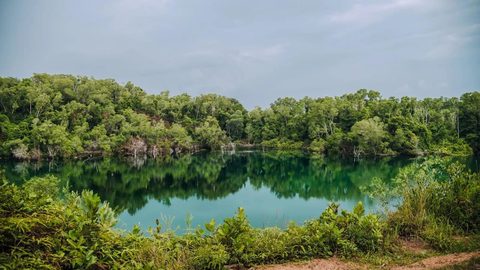
Pulau Ubin’s history stretches back to the early 1800s when granite quarrying operations began shaping the island’s landscape. The name ‘Ubin’ derives from the Javanese word for squared stone, reflecting the island’s industrial past. These quarries provided materials for Singapore’s early infrastructure projects, including the construction of the Causeway to Malaysia. Today, these abandoned quarries have transformed into scenic lagoons and unique geological formations that attract nature enthusiasts and photographers alike.
Cultural Heritage
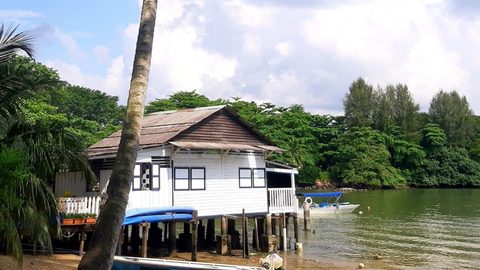
The island preserves a way of life that has vanished from modern Singapore. Traditional wooden houses on stilts dot the landscape, while small-scale farming and fishing activities continue as they have for generations. Local residents maintain vegetable gardens, rear chickens, and operate small businesses that serve the steady stream of day-trippers. This authentic kampong atmosphere provides visitors with insights into Singapore’s rural past and the resilience of traditional communities.
Activities and Attractions
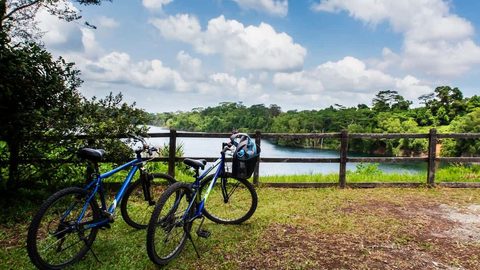
Visitors can rent bicycles to explore the island’s network of dirt roads and forest trails, passing through rubber plantations, fruit orchards, and wetland areas. The island offers numerous hiking paths that lead to scenic viewpoints, historic sites, and natural attractions. Popular activities include bird watching, photography, and sampling local delicacies at the handful of traditional coffee shops and restaurants that serve authentic kampong-style meals.
Nature’s Classroom at the Water’s Edge
Biodiversity Overview
Chek Jawa biodiversity represents one of Singapore’s most significant natural treasures, encompassing six distinct ecosystems within a relatively small area. This unique wetland system includes sandy beaches, rocky shores, seagrass lagoons, coral rubble, mangrove forests, and coastal forests. The convergence of these habitats creates an extraordinary environment where marine and terrestrial species coexist, making it an invaluable site for ecological research and environmental education.
Visitor Experience
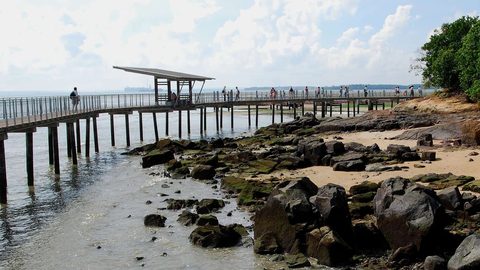
A well-designed boardwalk system allows visitors to observe wildlife without disturbing sensitive habitats. The elevated walkways wind through mangrove forests and across tidal flats, providing excellent vantage points for spotting resident and migratory birds, mudskippers, and various marine creatures during low tide. Interpretive panels along the route explain the ecological significance of different areas and help visitors identify common species they might encounter.
Conservation Efforts
Extensive conservation programs protect this fragile ecosystem from human impact while allowing controlled public access for education and recreation. Regular monitoring of water quality, species populations, and habitat conditions ensures the long-term sustainability of this unique environment. Volunteer programs engage local communities in conservation activities, fostering environmental awareness and stewardship among Singapore residents.
Coastal Paradise and Wildlife Haven
Park Features
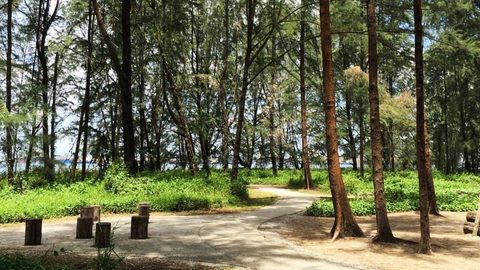
Coney Island coastal park spans approximately 50 hectares of largely undeveloped land that showcases Singapore’s natural coastal environment. The island features two distinct zones: the eastern section remains largely wild and undeveloped, while the western area includes basic facilities and maintained trails. Visitors can choose between adventurous exploration of untamed areas or comfortable walks along well-marked paths that accommodate families with children.
Flora and Fauna
The island supports diverse plant communities adapted to coastal conditions, including casuarina groves, grasslands, and patches of secondary forest. Wildlife enthusiasts regularly spot monitor lizards, wild boars, and numerous bird species that use the island as a stopover during migration periods. The surrounding waters support healthy populations of marine life, making the island’s shores excellent for nature observation and photography.
Recreational Opportunities
Coney Island offers excellent opportunities for cycling, hiking, and beach activities in a natural setting. The island’s trail network accommodates different fitness levels and interests, from leisurely coastal walks to more challenging routes through forested areas. Picnic areas and rest pavilions provide comfortable spots for families to relax and enjoy meals while surrounded by nature.
Tropical Flavors and Agricultural Heritage
Types of Fruits Grown
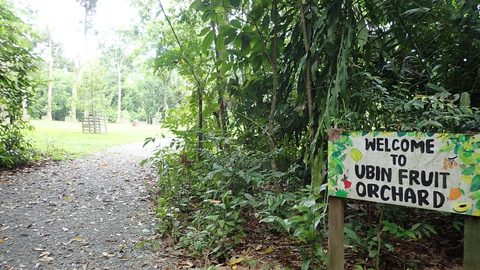
Ubin tropical fruit orchard showcases the diversity of Southeast Asian tropical fruits that thrive in Singapore’s climate. Visitors can observe and taste various seasonal fruits including rambutans, durians, mangosteens, starfruits, and jackfruits. The orchard also cultivates less common varieties such as pulasan, dokong, and various types of bananas that provide year-round harvests. Traditional farming methods used in the orchard demonstrate sustainable agricultural practices that have been passed down through generations.
Harvesting Activities
Seasonal fruit picking activities allow visitors to participate in the harvesting process while learning about traditional farming techniques. Experienced farmers share knowledge about optimal picking times, proper handling methods, and the cultural significance of different fruits in Southeast Asian cuisine. These hands-on experiences provide valuable insights into agricultural practices and food production that urban dwellers rarely encounter.
Visitor Information
The orchard operates on a seasonal basis, with peak fruiting periods varying throughout the year. Visitors should check current fruit availability and weather conditions before planning their visit. Guided tours provide the most comprehensive experience, including fruit tasting sessions and educational presentations about tropical agriculture and sustainable farming practices.
Panoramic Views and Geological Wonders
Scenic Spots
Ubin quarry scenic views offer some of the most spectacular panoramas available in Singapore, with elevated vantage points overlooking emerald lagoons formed in abandoned granite quarries. These unique geological formations create dramatic landscapes that contrast sharply with Singapore’s urban skyline visible in the distance. Several quarry sites provide different perspectives and photographic opportunities, each with its own character and natural features.
Photography Opportunities
The quarry areas present exceptional opportunities for landscape photography, with interesting rock formations, reflective water surfaces, and diverse vegetation creating compelling compositions. Golden hour lighting enhances the natural colors of the granite cliffs and surrounding forest, while the clear waters of the quarry lakes provide perfect reflections of the sky and surrounding landscape.
Best Times to Visit
Early morning and late afternoon visits offer the most comfortable temperatures and optimal lighting conditions for both sightseeing and photography. These times also coincide with increased wildlife activity, providing better opportunities for nature observation. Visitors should wear appropriate footwear for uneven terrain and bring sun protection, as some viewpoints offer limited shade.
Colonial Architecture and Historical Significance
Historical Background
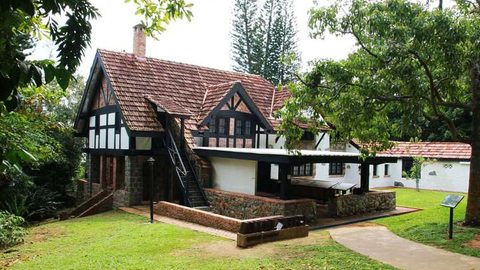
House No. 1 Pulau Ubin colonial bungalow represents one of the finest examples of early 20th-century colonial architecture remaining in Singapore. Built during the height of the granite quarrying era, this structure served as the residence for British quarry managers and their families. The building’s design reflects typical colonial architectural principles adapted to tropical conditions, with high ceilings, wide verandas, and strategic window placement for natural ventilation.
Architectural Significance
The bungalow showcases construction techniques and materials commonly used in colonial-era buildings, including hardwood timber frames, clay tile roofing, and raised foundation systems that protect against flooding and improve air circulation. Decorative elements such as carved wooden screens, ornate brackets, and period fixtures provide insights into the lifestyle and aesthetic preferences of colonial administrators.
Visiting Hours and Guidelines
The historic bungalow is open to the public during specified hours, with guided tours available to explain the building’s history and architectural features. Visitors should respect the historical nature of the site by following established guidelines for photography and movement within the structure. Preservation efforts require careful management of visitor numbers to prevent damage to original materials and fixtures.
Adventure Trails and Cycling Experiences
Trail Information
Ketam mountain bike trails provide Singapore’s most authentic off-road cycling experience, with routes that wind through diverse terrain including forest paths, coastal areas, and former quarry sites. The trail system accommodates different skill levels, from beginner-friendly paths suitable for families to challenging routes that test experienced cyclists. Trail markers and maps help visitors navigate the network while highlighting points of interest and safety considerations.
Bike Rentals and Services
Several rental shops near the ferry terminal offer mountain bikes suitable for the island’s terrain, along with basic safety equipment and route recommendations. Rental services typically include brief orientation sessions covering trail etiquette, safety procedures, and bicycle maintenance basics. Some operators also provide guided cycling tours that combine exercise with educational information about the island’s ecology and history.
Safety Tips
Cyclists should wear appropriate protective gear and carry adequate water supplies, especially during hot weather conditions. Trail conditions can vary significantly after rainfall, requiring extra caution on steep or muddy sections. Riders should respect wildlife habitats by staying on designated paths and avoiding sensitive areas during breeding seasons or conservation activities.
Frequently Asked Questions
How do I get to Pulau Ubin and Coney Island?Pulau Ubin can be reached by bumboat from Changi Point Ferry Terminal, while Coney Island is accessible via a bridge from Punggol Point Park.
What activities can I do on these islands?Visitors can rent bicycles, hike trails, participate in fruit picking, and enjoy wildlife observation on both islands.
When is the best time to visit these islands?Early morning or late afternoon are ideal times for visiting, as they offer comfortable temperatures and better wildlife activity.
Are there any conservation efforts in place on the islands?Yes, extensive conservation programs are in place to protect the islands’ ecosystems while allowing for public education and recreation.
What types of fruits can I find at the Ubin tropical fruit orchard?The orchard features a variety of tropical fruits, including rambutans, durians, mangosteens, and jackfruits, among others.
Exploring Singapore’s Natural Heritage
Pulau Ubin and Coney Island offer unique opportunities to immerse oneself in the rich cultural and ecological tapestry of Singapore. These islands invite visitors to experience the serenity of nature while appreciating the historical and environmental significance of their landscapes.