Little India: A Burst of Colours, Flavours, and Culture
A Living Heritage District
Singapore’s Little India stands as one of the most vibrant ethnic enclaves in Southeast Asia, where centuries-old traditions blend seamlessly with modern urban life. This bustling district pulses with energy from dawn to dusk, offering visitors an authentic glimpse into Indian culture without leaving the island nation. The neighborhood’s narrow streets overflow with the aroma of spices, the sound of temple bells, and the brilliant hues of saris and marigold garlands.
What makes Little India truly special is its ability to preserve cultural authenticity while adapting to contemporary Singapore. Tamil laborers first settled here in the 1820s, drawn by work opportunities in nearby lime pits and brick kilns. Today, their descendants continue to call this area home, maintaining traditions that have been passed down through generations. The district serves as a cultural anchor for Singapore’s Indian community, hosting religious ceremonies, festivals, and daily rituals that connect residents to their ancestral roots.
Historical Significance
The transformation of Little India from a simple settlement to a thriving cultural district tells the story of Singapore’s multicultural evolution. British colonial records from the 1840s document the area as a cattle-trading post, where Indian immigrants established businesses alongside Chinese and Malay merchants. The famous Serangoon Road became the spine of this community, lined with shophouses that served as both homes and commercial spaces.
During the early 20th century, the neighborhood expanded rapidly as more Indian families arrived seeking economic opportunities. They brought with them diverse regional cultures from Tamil Nadu, Kerala, Punjab, and Bengal, creating a rich tapestry of languages, cuisines, and customs within a compact area.
Cultural Diversity
Walking through Little India today reveals the remarkable diversity within Singapore’s Indian community. Tamil temples stand alongside Punjabi gurdwaras, while Malayalam-speaking shop owners serve customers in multiple languages. This cultural mosaic reflects the complex migration patterns that shaped Singapore’s demographics over the past two centuries.
The neighborhood accommodates various religious practices, from elaborate Hindu ceremonies to Islamic prayers, demonstrating Singapore’s commitment to religious harmony. Street vendors selling South Indian breakfast items work alongside North Indian sweet shops, offering visitors a comprehensive taste of the subcontinent’s culinary traditions.
Architectural Blend
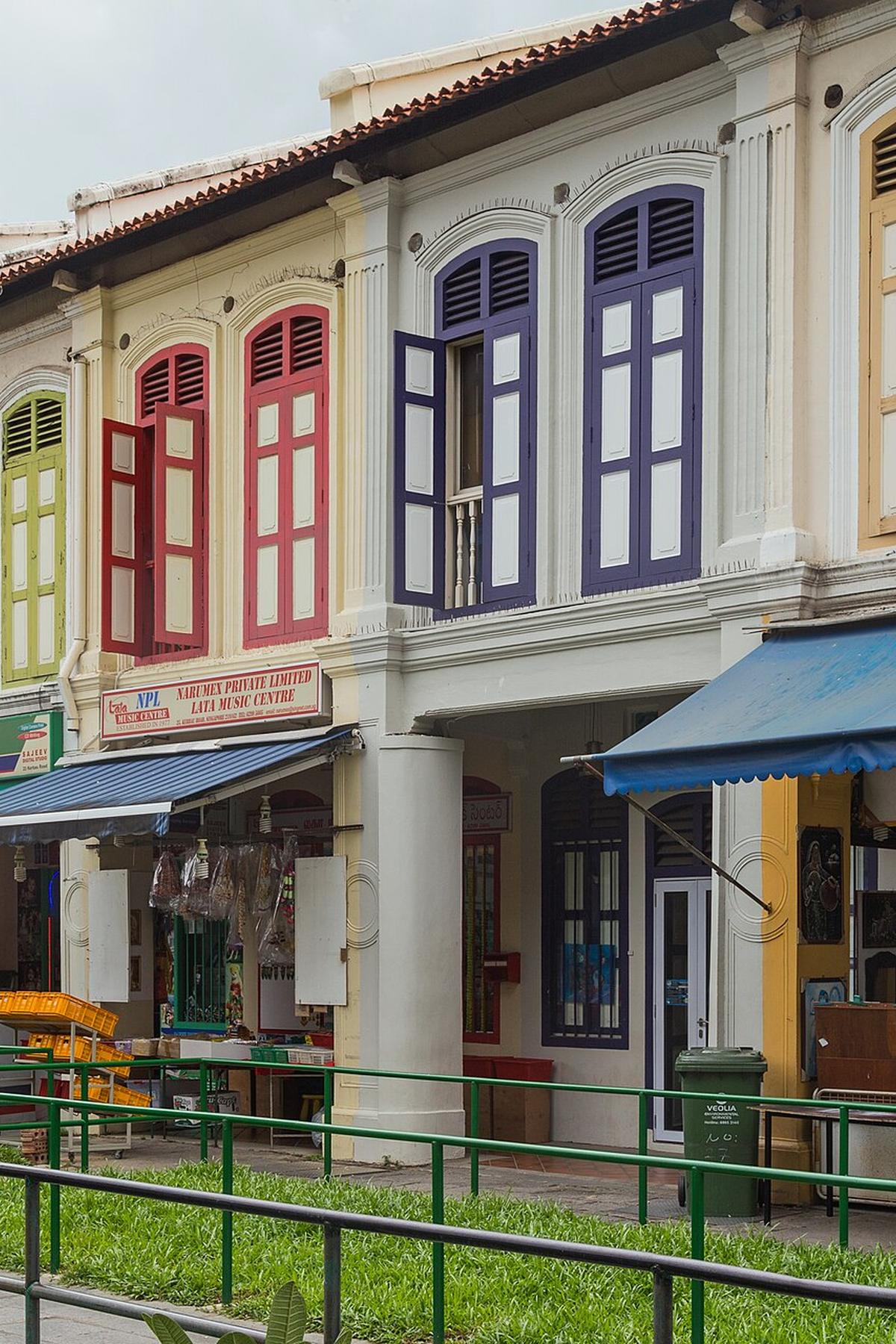
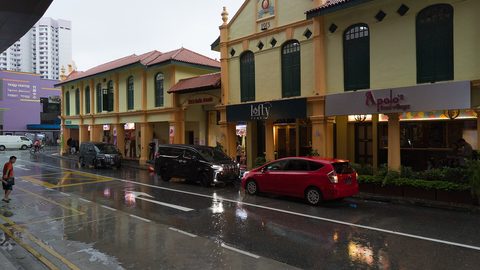
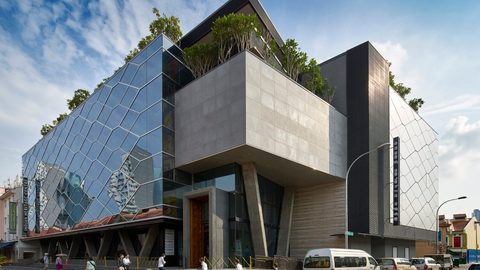
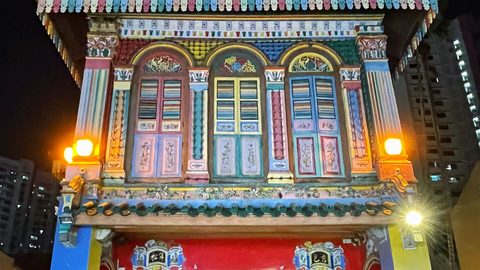
Little India’s architecture showcases a fascinating fusion of colonial, traditional Indian, and modern Singaporean design elements. Historic shophouses feature ornate facades with intricate tile work and carved wooden shutters, while contemporary buildings incorporate traditional motifs in glass and steel. This architectural evolution reflects the community’s journey from immigrant settlement to established cultural district.
The preservation of heritage buildings alongside modern developments creates visual interest throughout the neighborhood. Visitors can observe how traditional Indian architectural principles have been adapted to Singapore’s tropical climate and urban density constraints.
Vibrant Culinary Scene
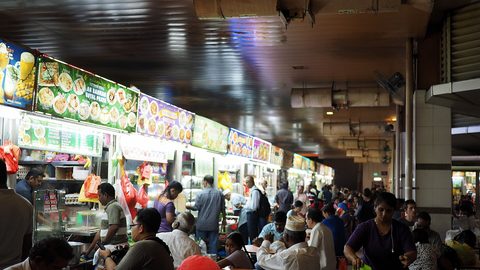
The food culture in Little India represents one of Singapore’s most authentic culinary experiences, where traditional recipes have been preserved across generations. Street-side stalls serve crispy dosas alongside fragrant biryanis, while family-run restaurants offer regional specialties rarely found elsewhere in Southeast Asia. The neighborhood’s culinary landscape reflects the diverse origins of its residents, creating a food lover’s paradise within a few city blocks.
Dining in Little India means experiencing food as it was meant to be shared, with generous portions and bold flavors that bring people together. Many establishments have been operating for decades, with recipes passed down from grandmothers who first arrived in Singapore with little more than their cooking knowledge and determination to preserve their heritage.
Iconic Dishes
Little India’s signature dishes showcase the depth and complexity of Indian cuisine beyond the typical curry house offerings. Banana leaf rice remains the neighborhood’s most celebrated meal, featuring fragrant basmati rice served on fresh banana leaves with an array of curries, pickles, and chutneys. The interactive dining style encourages communal eating and conversation.
Dosa preparations vary from crispy plain versions to stuffed masala varieties, each accompanied by coconut chutney and sambar. Street vendors also serve lesser-known delicacies like kothu parotta and appam, introducing visitors to regional specialties that tell stories of specific Indian states and their culinary traditions.
Culinary Celebrations
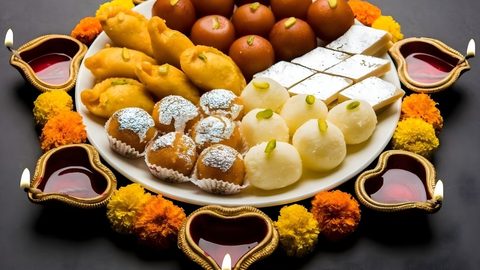
Festival seasons transform Little India’s food scene into a celebration of community and tradition. During Deepavali, sweet shops work around the clock producing traditional treats like gulab jamun and mysore pak, while households prepare elaborate feasts for family gatherings. The neighborhood becomes a living cookbook during these times, with recipes emerging from home kitchens onto street corners.
Special occasion foods like biryani and payasam appear in greater abundance during religious festivals, often prepared in large quantities for temple offerings and community sharing. These culinary celebrations strengthen social bonds while introducing younger generations to their cultural heritage through taste and tradition.
Insider Tips for Food Lovers
Experienced Little India food enthusiasts recommend visiting during off-peak hours to avoid crowds and engage more meaningfully with vendors and restaurant owners. Many establishments offer their best dishes during specific times of day, such as fresh dosai in the morning or biryani preparations in the evening.
Vegetarian options abound throughout the district, reflecting the dietary practices of many Indian communities. First-time visitors should pace themselves when trying spicy dishes and always have lassi or coconut water nearby to cool the palate between tastings.
Key Attractions in Little India
The architectural and spiritual landmarks of Little India serve as anchors for the community’s cultural identity, each telling unique stories about faith, artistry, and cultural preservation. These attractions represent more than tourist destinations; they function as active centers of worship, community gathering, and cultural transmission. Visitors can witness daily religious practices alongside architectural marvels that have been carefully maintained for generations.
These sacred and historic spaces offer insights into the spiritual lives of Little India’s residents while showcasing the artistic traditions brought from various regions of India. The intricate craftsmanship visible in temple carvings, mosque decorations, and heritage buildings reflects the skilled artisans who contributed to Singapore’s cultural landscape.
Sri Veeramakaliamman Temple
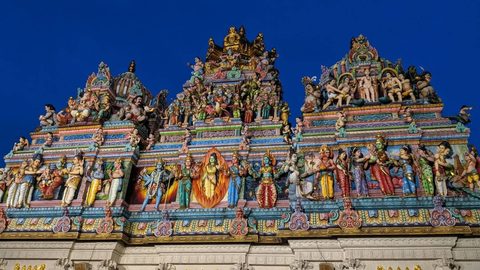
This magnificent Hindu temple dedicated to Goddess Kali stands as Little India’s most recognizable spiritual landmark, with its towering gopuram visible from blocks away. The temple’s elaborate sculptural decorations tell stories from Hindu mythology, while daily prayer sessions fill the air with incense and devotional music. Devotees gather here for major festivals and personal ceremonies, maintaining traditions that connect them to centuries of spiritual practice.
The temple’s architecture showcases traditional South Indian temple design adapted to Singapore’s urban environment. Intricate carvings cover every surface, while the interior sanctum houses the main deity surrounded by smaller shrines dedicated to various Hindu gods and goddesses.
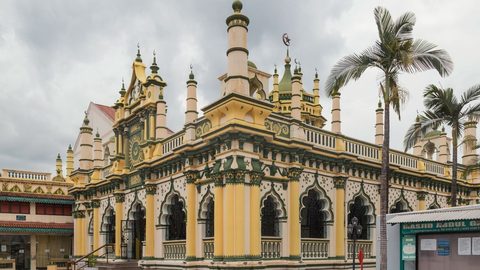
Abdul Gafoor Mosque
This stunning mosque represents the Islamic heritage within Little India’s predominantly Hindu neighborhood, demonstrating the area’s religious diversity and tolerance. The building’s unique architectural features blend Moorish, Indian, and local design elements, creating a visually striking structure that has served the Muslim community for over a century.
The mosque’s intricate facade work and interior decorations reflect the artistic traditions of Indian Muslim craftsmen who settled in Singapore. Daily prayers and Friday congregations continue to bring together worshippers from various backgrounds, maintaining the mosque’s role as a community center.
Little India Arcade
This heritage shopping complex houses dozens of small shops specializing in traditional Indian goods, from silk saris to brass ornaments. The arcade’s covered walkways provide relief from Singapore’s heat while creating an intimate shopping environment reminiscent of Indian bazaars. Shopkeepers here often have decades of experience in their trades, offering expert advice on everything from spice selection to jewelry craftsmanship.
The arcade serves as a cultural preservation space where traditional crafts and products remain accessible to both the local Indian community and curious visitors seeking authentic experiences.
Shopping Experience
Shopping in Little India offers an immersive cultural experience that goes far beyond typical retail transactions. The neighborhood’s shops range from massive 24-hour department stores to tiny family-run stalls, each contributing to the area’s unique commercial ecosystem. Bargaining remains common practice in many establishments, creating interactive experiences that connect shoppers with merchants in meaningful ways.
The shopping landscape reflects the practical needs of the local community while catering to tourists seeking authentic Indian products. Traditional items like spices, textiles, and religious artifacts share shelf space with modern conveniences, creating an interesting juxtaposition of old and new commercial practices.
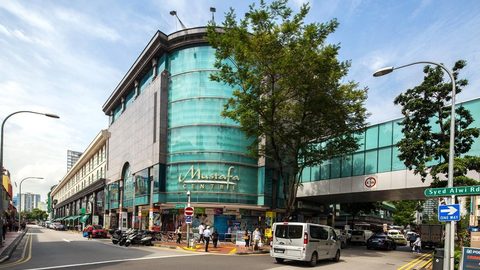
Mustafa Centre
This legendary 24-hour shopping complex has become synonymous with Little India’s retail experience, offering everything from electronics to groceries under one massive roof. The store’s labyrinthine layout and incredible product variety create an adventure for shoppers willing to spend hours browsing through multiple floors of merchandise. Regular customers develop navigation strategies for finding specific items within the seemingly endless aisles.
The centre’s round-the-clock operation caters to Singapore’s diverse population, with late-night shoppers from various communities converging here for everything from emergency purchases to leisurely browsing sessions.
Veggie and Spice Markets
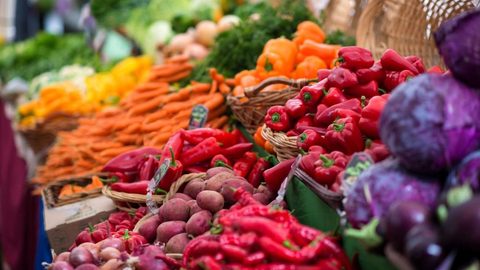
The aromatic spice markets of Little India provide sensory experiences that transport visitors directly to Indian bazaars, with vendors displaying colorful pyramids of turmeric, cardamom, and chili powder. Fresh vegetable stalls offer exotic produce rarely found in mainstream supermarkets, including drumsticks, bitter gourds, and various leafy greens essential to Indian cooking.
Knowledgeable vendors share cooking tips and spice combinations with customers, turning simple purchases into informal cooking lessons. The markets serve as gathering places where community members exchange recipes and cooking techniques while selecting ingredients for their daily meals.
Kamala Store
This beloved sweet shop specializes in traditional Indian confections and snacks, maintaining recipes that have been perfected over generations. The store’s display cases showcase colorful arrays of milk-based sweets, savory snacks, and festival specialties that change with the religious calendar. Regular customers often place advance orders for special occasions, trusting the shop’s expertise in creating authentic flavors.
The shop’s reputation extends throughout Singapore’s Indian community, with families traveling from across the island to purchase sweets for religious ceremonies and celebrations.
Cultural Events and Festivals
Little India transforms into a spectacular celebration ground during major Indian festivals, with the entire neighborhood participating in elaborate decorations and community activities. These events showcase the living culture of Singapore’s Indian community, bringing together people of all backgrounds to witness colorful processions, traditional performances, and religious ceremonies. The festivals serve as cultural education opportunities for younger generations while strengthening community bonds across ethnic and religious lines.
Festival preparations begin weeks in advance, with shopkeepers decorating their stores, temples organizing special ceremonies, and families preparing traditional foods. The collaborative effort required for these celebrations demonstrates the strong community spirit that defines Little India’s social fabric.
Deepavali Celebrations
The Festival of Lights transforms Little India into a glittering wonderland, with thousands of oil lamps and electric lights creating magical nighttime scenes throughout the neighborhood. Families dress in new clothes and visit temples for special prayers, while shops stay open late to accommodate the increased foot traffic. Traditional rangoli patterns appear on sidewalks and shop fronts, adding artistic beauty to the already colorful streetscape.
The festival’s religious significance combines with its social aspects, as community members share sweets and gifts while welcoming visitors to join their celebrations. Street performances and cultural shows provide entertainment throughout the festival period.
Cultural Performances
Regular cultural performances in Little India feature traditional Indian dance, music, and theater, providing platforms for local artists to showcase their talents while educating audiences about Indian cultural traditions. These performances often take place in temple courtyards, community centers, and public spaces, making them accessible to both residents and visitors.
Young performers learn classical Indian art forms from experienced masters, ensuring the continuation of cultural traditions in Singapore’s multicultural environment. The performances serve as bridges between generations and cultures, fostering understanding and appreciation.
Community Involvement
Little India’s festivals and events rely heavily on volunteer participation from community members who contribute their time, skills, and resources to ensure successful celebrations. Local businesses sponsor decorations and activities, while religious organizations coordinate ceremonies and cultural programs. This collaborative approach strengthens social networks while preserving cultural practices.
The involvement of non-Indian Singaporeans in these celebrations reflects the neighborhood’s inclusive spirit and Singapore’s multicultural harmony. Many volunteers return year after year, developing deep friendships and cultural understanding through their participation.
Exploring Little India on Foot
Walking through Little India provides the most authentic way to experience the neighborhood’s rich cultural tapestry, allowing visitors to notice details that would be missed from vehicles or tour buses. The compact area can be covered entirely on foot, with interesting discoveries awaiting around every corner. Street-level exploration enables spontaneous interactions with shopkeepers, temple-goers, and local residents who often share stories and recommendations with curious visitors.
The pedestrian-friendly layout encourages slow exploration, with covered walkways providing shade and rest areas scattered throughout the district. Many visitors find that multiple walking tours are necessary to fully appreciate all the neighborhood has to offer, as different times of day reveal varying aspects of community life.
Walking Tours
Self-guided walking tours through Little India can follow various themes, from architectural appreciation to culinary discovery, depending on individual interests and available time. Religious sites provide natural stopping points for rest and reflection, while markets and shops offer opportunities for cultural interaction and souvenir purchases.
Guided tours led by knowledgeable locals provide deeper insights into the neighborhood’s history and cultural significance, often including access to areas that independent visitors might overlook. These tours frequently include food tastings and temple visits that enrich the overall experience.
Hidden Gems
Beyond the main attractions, Little India contains numerous hidden gems that reward curious explorers willing to venture down side streets and into smaller establishments. Family-run businesses tucked into narrow shophouses often offer unique products and personalized service that larger stores cannot match.
Local residents frequently recommend lesser-known temples, specialty food stalls, and artisan workshops that provide authentic experiences away from tourist crowds. These discoveries often become the most memorable aspects of Little India visits.
Photo Opportunities
The vibrant colors, intricate architecture, and dynamic street life of Little India create countless photography opportunities for visitors interested in capturing the neighborhood’s visual appeal. Temple facades provide stunning architectural subjects, while market scenes offer glimpses into daily community life.
Respectful photography practices are essential, particularly around religious sites and during prayer times. Many shop owners and vendors are happy to pose for photos when approached politely, often sharing stories about their businesses and cultural backgrounds.
Practical Tips for Visitors
Successful Little India visits require some advance planning and cultural awareness to maximize enjoyment while showing respect for the local community. Understanding basic etiquette, optimal timing, and transportation options helps visitors navigate the neighborhood confidently and comfortably. These practical considerations ensure that cultural exploration remains enjoyable for both visitors and residents.
First-time visitors often benefit from researching the neighborhood’s layout and major attractions before arriving, though spontaneous exploration frequently yields the most rewarding experiences. Comfortable walking shoes and weather-appropriate clothing are essential for extended neighborhood exploration.
Best Times to Visit
Little India offers different experiences throughout the day and week, with morning visits providing opportunities to witness daily religious rituals and fresh market activities. Evening hours bring cooler temperatures and livelier street scenes, as residents finish work and begin social activities. Weekend visits coincide with increased local foot traffic and extended shop hours.
Festival periods transform the neighborhood into spectacular celebration grounds, though crowds can be overwhelming for visitors seeking quieter cultural experiences. Weekday mornings often provide the most peaceful exploration opportunities while still allowing access to most attractions and shops.
Transportation Options
Little India’s central location makes it easily accessible via Singapore’s efficient public transportation system, with the Little India MRT station providing direct access to the neighborhood’s heart. Multiple bus routes also serve the area, connecting it to other parts of Singapore for visitors combining Little India with other destinations.
Walking remains the preferred method for neighborhood exploration once visitors arrive, though the area’s compact size makes it manageable even for those with limited mobility. Taxi services are readily available for those preferring door-to-door transportation.
Respectful Behavior at Temples
Temple visits require appropriate dress and behavior to show respect for religious practices and worshippers. Modest clothing covering shoulders and legs is essential, while shoes must be removed before entering temple premises. Photography restrictions vary by temple, so visitors should ask permission before taking pictures.
Observing ongoing religious ceremonies quietly and maintaining respectful distances from active worship areas ensures that cultural curiosity does not interfere with spiritual practices. Many temples welcome respectful visitors and provide information about their traditions and architectural features.
Frequently Asked Questions
What is Little India known for?Little India is known for its vibrant culture, diverse cuisine, and significant historical landmarks that reflect the Indian heritage in Singapore.
What are some must-try dishes in Little India?Must-try dishes include banana leaf rice, dosas, biryanis, and traditional sweets like gulab jamun.
How can I explore Little India?Visitors can explore Little India on foot, taking advantage of self-guided or guided walking tours that highlight the area’s history, food, and cultural landmarks.
What is the best time to visit Little India?The best time to visit Little India is during the morning for market activities or in the evening for a lively atmosphere, especially on weekends.
What should I wear when visiting temples in Little India?Visitors should wear modest clothing that covers shoulders and legs, and shoes must be removed before entering temple premises.
Embracing the Essence of Little India
Little India is more than just a neighborhood; it is a celebration of culture, community, and culinary richness that brings the Indian heritage to life in Singapore. Exploring its vibrant streets, indulging in authentic dishes, and experiencing its festivals allows visitors to connect deeply with its unique spirit.
.jpg)