West Singapore: Industrial Heritage & Green Spaces
Introduction to West Singapore
West Singapore stands as a fascinating testament to the nation’s remarkable transformation from a developing economy to a modern metropolis. This region seamlessly blends industrial prowess with natural beauty, creating a unique landscape that tells the story of Singapore’s growth while preserving precious green spaces for future generations. The western corridor encompasses diverse neighborhoods, from the bustling industrial heartland of Jurong to tranquil nature reserves that provide sanctuary for both wildlife and residents seeking respite from urban life.
Visitors to this area will find themselves immersed in a rich tapestry of experiences, where towering manufacturing plants coexist harmoniously with lush parks and recreational facilities. The region serves as a living laboratory for sustainable development, demonstrating how industrial progress can complement environmental conservation. Whether you’re interested in understanding Singapore’s economic foundation or simply want to enjoy outdoor activities in beautifully maintained green spaces, West Singapore offers compelling reasons to venture beyond the city center.
Jurong’s Industrial Heritage
Historical Background of Jurong
Jurong’s transformation began in the 1960s when the Singapore government identified this swampy, rural area as the future industrial backbone of the nation. The ambitious Jurong Industrial Estate project required extensive land reclamation and infrastructure development, turning what was once considered unsuitable terrain into a thriving manufacturing hub. Early pioneers faced significant challenges, including flooding during monsoon seasons and limited transportation links to the city center.
The visionary planning behind Jurong’s development focused on creating a self-contained industrial ecosystem that could attract both local and international companies. This strategic approach laid the groundwork for Singapore’s emergence as a major manufacturing and logistics center in Southeast Asia.
Key Industries in Jurong
The industrial landscape of Jurong encompasses a diverse range of sectors that have evolved significantly over the decades. Petrochemical companies established major operations here, taking advantage of Singapore’s strategic location along key shipping routes. Electronics manufacturing also found a strong foothold, with numerous multinational corporations setting up assembly and production facilities to serve regional markets.
Today, the area continues to host cutting-edge industries including biotechnology, aerospace, and renewable energy companies. The Jurong Innovation District represents the latest phase of this evolution, focusing on research and development activities that position Singapore at the forefront of technological advancement.
Cultural Legacies of Industrialization
The rapid industrialization of Jurong created unique cultural dynamics as workers from various backgrounds came together to build Singapore’s economic foundation. Housing estates developed around industrial areas fostered diverse communities where different ethnic groups lived and worked side by side. Local food culture flourished as workers needed affordable, convenient meal options, leading to the establishment of numerous coffee shops and food courts that remain popular today.
These cultural legacies are preserved through community centers, heritage trails, and oral history projects that capture the experiences of early industrial workers and their families. The stories of perseverance and innovation from this era continue to inspire new generations of Singaporeans.
Green Spaces in West Singapore
Prominent Parks and Nature Reserves
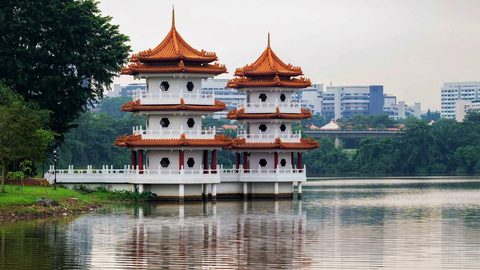
West Singapore boasts an impressive collection of parks and nature reserves that provide essential green lungs for the heavily developed region. Jurong Lake Gardens stands out as a premier destination, featuring beautifully landscaped areas that blend traditional Asian garden design with modern recreational facilities. The Chinese Garden and Japanese Garden within this complex offer visitors peaceful retreats where they can appreciate classical horticultural artistry.
Bukit Batok Nature Park provides a different experience altogether, with its granite quarry lake and forested hiking trails that showcase Singapore’s natural heritage. These green spaces serve multiple purposes, from flood management and air purification to providing habitats for urban wildlife and recreational opportunities for residents.
Biodiversity and Wildlife in the Region
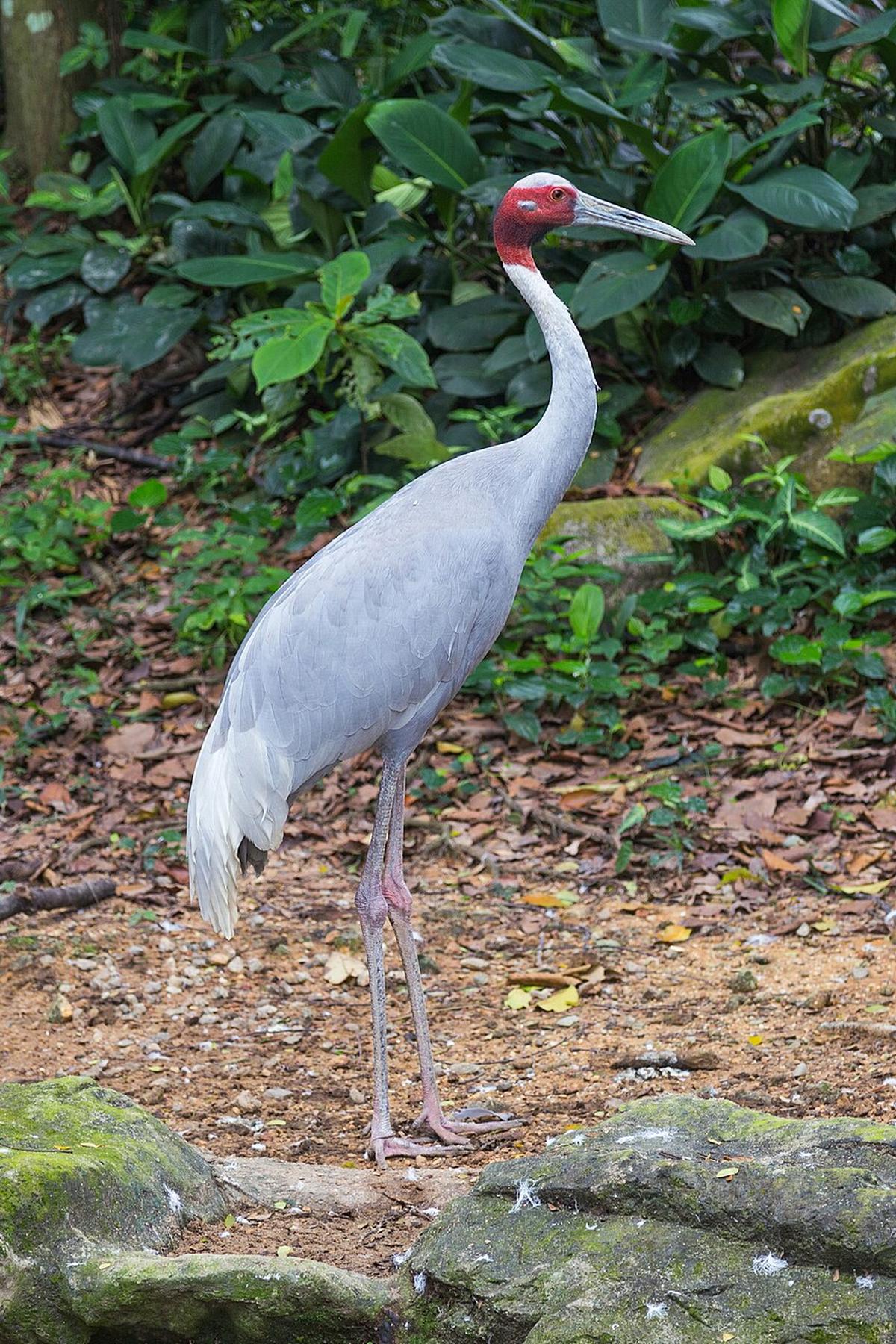
Despite heavy urban development, West Singapore’s parks and nature reserves support surprisingly diverse ecosystems. Native bird species thrive in these protected areas, including kingfishers, sunbirds, and various migratory species that use Singapore as a stopover point along the East Asian-Australasian Flyway. Small mammals such as squirrels and bats also call these green spaces home.
Aquatic environments within the parks support fish, turtles, and amphibians, while carefully maintained plant collections include both indigenous species and thoughtfully selected exotic varieties. Conservation efforts focus on maintaining ecological balance while allowing public access for education and recreation.
Activities and Programs in Parks
The parks in West Singapore offer extensive programming designed to engage visitors of all ages with nature and outdoor activities. Regular guided walks help people identify local flora and fauna while learning about conservation efforts. Exercise programs ranging from tai chi sessions to jogging groups take advantage of the parks’ well-maintained paths and open spaces.
Educational workshops teach sustainable gardening practices, while seasonal festivals celebrate the changing natural cycles and cultural traditions associated with different plants and seasons. These programs strengthen community bonds while fostering environmental awareness among participants.
Transformation of Jurong
Recent Developments in Jurong
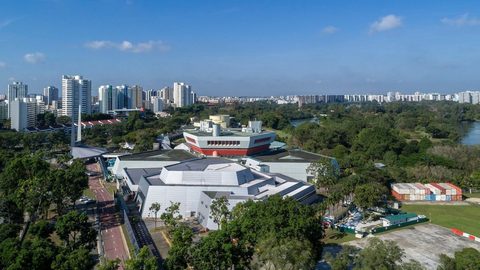
Jurong has undergone significant transformation in recent years as Singapore positions itself for the next phase of economic development. The Jurong Lake District is emerging as a major commercial and residential hub, with new MRT lines improving connectivity to other parts of the island. Mixed-use developments combine office spaces, shopping centers, and residential units to create vibrant, walkable neighborhoods.
Smart city initiatives are being piloted in various parts of Jurong, incorporating Internet of Things sensors, sustainable building designs, and integrated transportation systems. These developments represent Singapore’s commitment to creating livable, efficient urban environments that can serve as models for other cities worldwide.
Impact of Urbanization on Heritage
Rapid development has inevitably affected some historical aspects of Jurong, as older industrial facilities give way to modern infrastructure and residential projects. However, conscious efforts are being made to preserve significant heritage elements through adaptive reuse projects and heritage trails that commemorate important milestones in the area’s development.
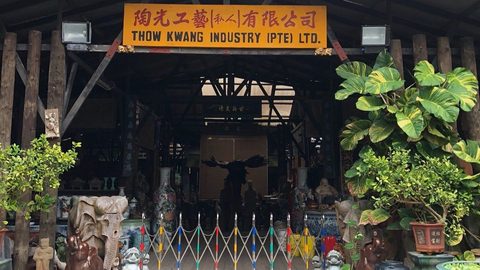
Some former industrial sites have been transformed into creative spaces, museums, or recreational facilities that honor their original purpose while serving contemporary needs. The traditional dragon kiln at Thow Kwang Pottery Jungle exemplifies this approach, maintaining centuries-old ceramic traditions while adapting to modern tourism and education functions.
Future Prospects for the Area
Urban planners envision Jurong continuing to evolve as a model sustainable district that balances economic activity with environmental stewardship and quality of life considerations. Proposed developments emphasize green building standards, integrated public transportation, and preserved green corridors that maintain ecological connectivity across the region.
The area is expected to become even more internationally connected through expanded port facilities and improved air links, while maintaining its character as a place where industrial heritage and natural beauty coexist harmoniously.
Educational Opportunities
Learning About History
West Singapore offers numerous opportunities for people to learn about both industrial history and Singapore’s broader development story. The Science Centre Singapore provides interactive exhibits that explain technological innovations and their impact on society, making complex scientific concepts accessible to visitors of all ages. Educational programs at various heritage sites help people understand how rapid industrialization transformed not just the physical landscape but also social and cultural patterns.
Walking tours and heritage trails allow visitors to see historical sites firsthand while learning about the challenges and triumphs of early industrial development. These educational experiences help people appreciate the vision and hard work that created modern Singapore.
Engaging with Nature Education
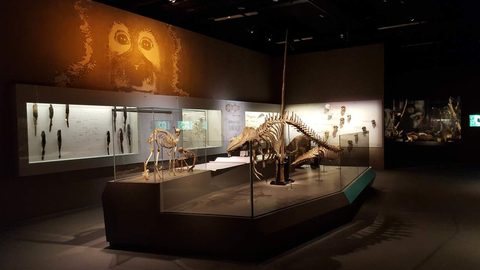
The region’s parks and nature reserves serve as outdoor classrooms where people can learn about ecology, conservation, and sustainable living practices. The Lee Kong Chian Natural History Museum offers comprehensive programs about biodiversity and natural history, complementing outdoor experiences with scientific knowledge and research findings.
Nature education programs teach practical skills such as bird identification, plant cultivation, and environmental monitoring techniques. These hands-on learning opportunities help people develop deeper connections with the natural world while building awareness of conservation challenges and solutions.
Community Involvement and Events
Community-based educational initiatives encourage residents to take active roles in preserving both heritage and environmental resources. Volunteer programs allow people to participate in habitat restoration, heritage documentation, and educational outreach activities. Regular community events such as heritage festivals and nature appreciation days bring people together while sharing knowledge and experiences.
These programs strengthen social bonds while building collective capacity for ongoing conservation and heritage preservation efforts. They also provide platforms for intergenerational knowledge transfer, ensuring that important stories and skills continue to be passed down to future generations.
Notable Attractions in West Singapore
Cultural Attractions
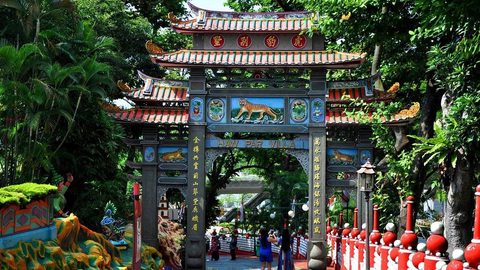
West Singapore hosts several distinctive cultural attractions that reflect both its industrial heritage and Singapore’s multicultural identity. Haw Par Villa stands out as a unique mythological theme park where traditional Chinese folklore comes to life through colorful statues and dioramas. This attraction offers visitors insight into Chinese cultural values and storytelling traditions while providing an entertaining family experience.
The Singapore Discovery Centre presents an interactive journey through Singapore’s past, present, and future, helping visitors understand the nation’s development story and vision for continued progress. These cultural sites complement the region’s industrial and natural attractions by adding educational and entertainment value to any visit.
Recreational Spots
Beyond formal parks and cultural sites, West Singapore offers numerous recreational opportunities that cater to diverse interests and activity levels. Water sports enthusiasts can enjoy activities at various reservoirs and lakes, while sports complexes provide facilities for team games and individual fitness pursuits.
Shopping and dining options have expanded significantly with new developments, creating vibrant commercial districts where people can combine recreational activities with retail therapy and culinary adventures. These amenities make West Singapore an attractive destination for both residents and visitors seeking comprehensive entertainment options.
Unique Experiences in West Singapore
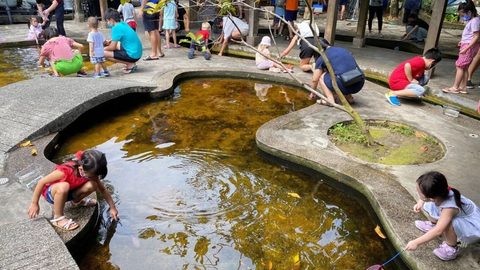
Several attractions in West Singapore offer experiences that cannot be found elsewhere on the island. Qian Hu Fish Farm provides visitors with opportunities to learn about ornamental fish breeding and aquaculture practices while observing hundreds of colorful fish species in naturalistic settings. This attraction combines education, conservation awareness, and visual beauty in a unique package.
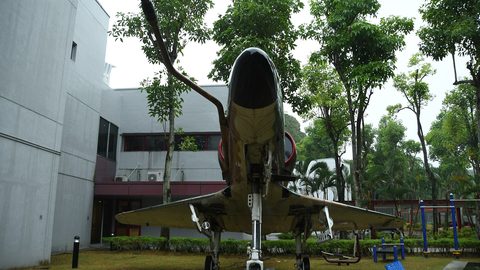
The Army Museum of Singapore preserves military heritage while educating visitors about Singapore’s defense history and the role of national service in building social cohesion. These specialized attractions add depth and variety to the region’s tourism offerings.
Nature-based Activities
Birdwatching and Wildlife Observation
West Singapore’s diverse habitats make it an excellent destination for wildlife enthusiasts and nature photographers. Early morning visits to parks and nature reserves often reward observers with sightings of resident and migratory bird species. Kingfishers can be spotted near water bodies, while forest areas host various songbirds and occasional raptors.
Wildlife observation requires patience and respect for natural habitats, but the rewards include intimate encounters with Singapore’s urban biodiversity. Photography workshops and guided tours help beginners develop skills while learning about animal behavior and conservation needs.
Hiking and Nature Walks
The region’s parks offer hiking trails and nature walks suitable for various fitness levels and time constraints. Bukit Batok Nature Park features moderately challenging trails that wind through secondary forest and offer scenic views of the former granite quarry lake. These trails provide excellent cardiovascular exercise while allowing hikers to experience Singapore’s natural heritage.
Well-maintained boardwalks and paved paths in other parks accommodate visitors with mobility challenges or those preferring gentler walks. Interpretive signage along trails helps walkers identify plants, understand ecological relationships, and appreciate conservation efforts.
Cycling and Adventure Activities
Cycling infrastructure in West Singapore has expanded significantly, with dedicated bike paths connecting parks, residential areas, and commercial districts. The Park Connector Network allows cyclists to travel between different green spaces while enjoying car-free routes through varied landscapes.
Adventure activities such as kayaking and rock climbing are available at selected locations, providing more intensive outdoor experiences for those seeking physical challenges. These activities are typically organized through licensed operators who provide equipment and safety instruction for participants of different skill levels.
Community and Conservation Efforts
Local Conservation Initiatives
Community-led conservation efforts in West Singapore demonstrate how residents can take active roles in protecting local environments. Volunteer groups organize regular clean-up activities, habitat restoration projects, and wildlife monitoring programs that contribute valuable data to conservation research while building community engagement with environmental issues.
Adoption programs allow community groups, schools, and businesses to take responsibility for maintaining specific park areas or supporting particular conservation projects. These initiatives create ongoing relationships between people and places while ensuring that conservation work receives adequate attention and resources.
Engagement with Local Communities
Successful conservation efforts require meaningful engagement with diverse community groups who bring different perspectives, skills, and resources to environmental challenges. Cultural organizations contribute traditional ecological knowledge and practices that complement scientific approaches to conservation.
Youth programs engage students in hands-on conservation work while building environmental awareness and leadership skills. These programs often include partnerships with schools, community centers, and environmental organizations that provide ongoing support and mentorship for young conservationists.
Sustainable Practices in West Singapore
The region serves as a testing ground for sustainable development practices that could be applied more broadly across Singapore and other urban areas. Green building standards, renewable energy systems, and waste reduction programs are being implemented in various developments to reduce environmental impacts while maintaining high quality of life standards.
Community gardens and urban farming initiatives teach sustainable food production techniques while strengthening local food security and reducing transportation-related emissions. These practices demonstrate how urban areas can contribute to environmental sustainability while meeting human needs for food, recreation, and community connection.
Frequently Asked Questions
What are the key attractions in West Singapore?Key attractions include Jurong Lake Gardens, Bukit Batok Nature Park, the Science Centre Singapore, and cultural sites like Haw Par Villa and the Singapore Discovery Centre.
How does West Singapore balance industrial development with green spaces?West Singapore incorporates parks and nature reserves into its urban landscape, promoting sustainable practices that allow industrial growth while preserving natural habitats.
What types of activities can visitors engage in at the parks?Visitors can enjoy activities such as birdwatching, hiking, cycling, and participating in community events focused on nature education and conservation.
What role does community involvement play in conservation efforts in West Singapore?Community involvement is crucial, with local groups organizing clean-ups, habitat restoration, and educational programs to engage residents in conservation initiatives.
Discovering the Harmony of Industry and Nature
Exploring West Singapore reveals a remarkable integration of industrial advancements and lush green spaces, providing a vibrant backdrop for both cultural experiences and outdoor adventures. This region stands as a testament to sustainable urban development, inviting visitors to appreciate the rich history and ecological diversity that coexist within its boundaries.
.jpg)