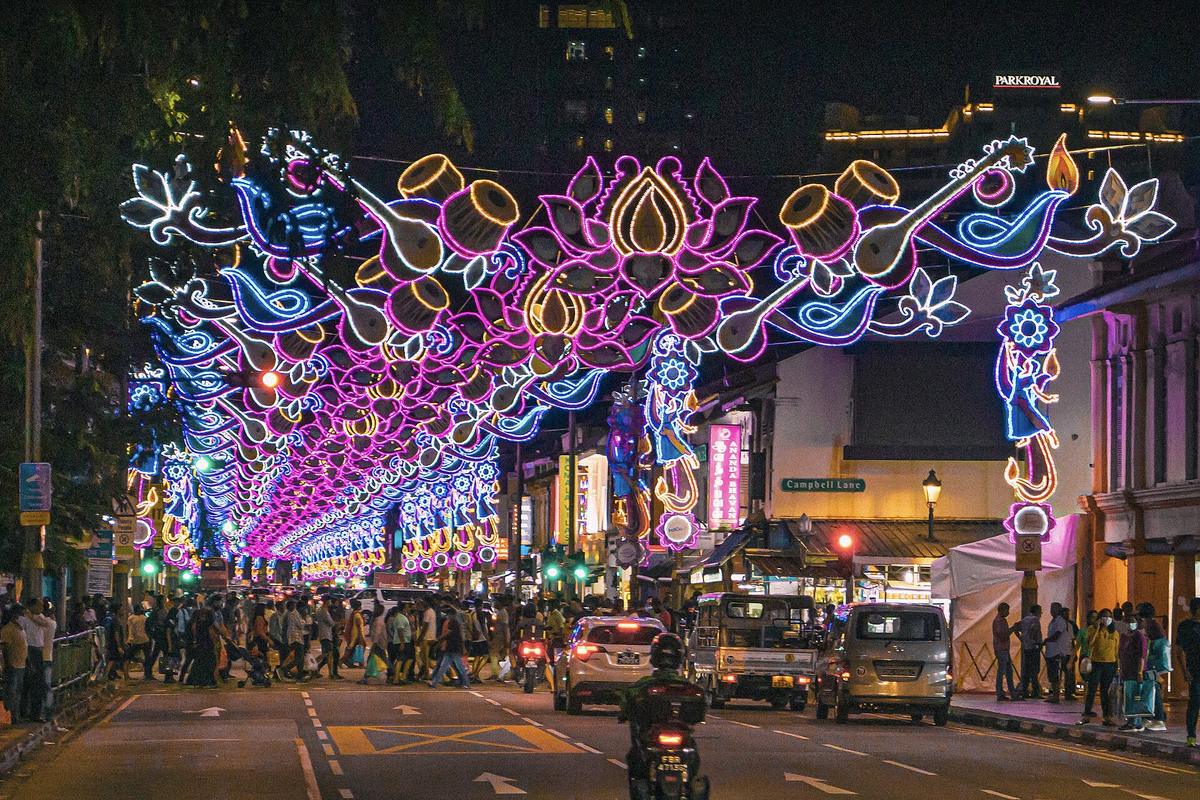
Singapore After Dark A Heritage Route Beyond Marina Bay
A Different Kind of Night Out in Singapore
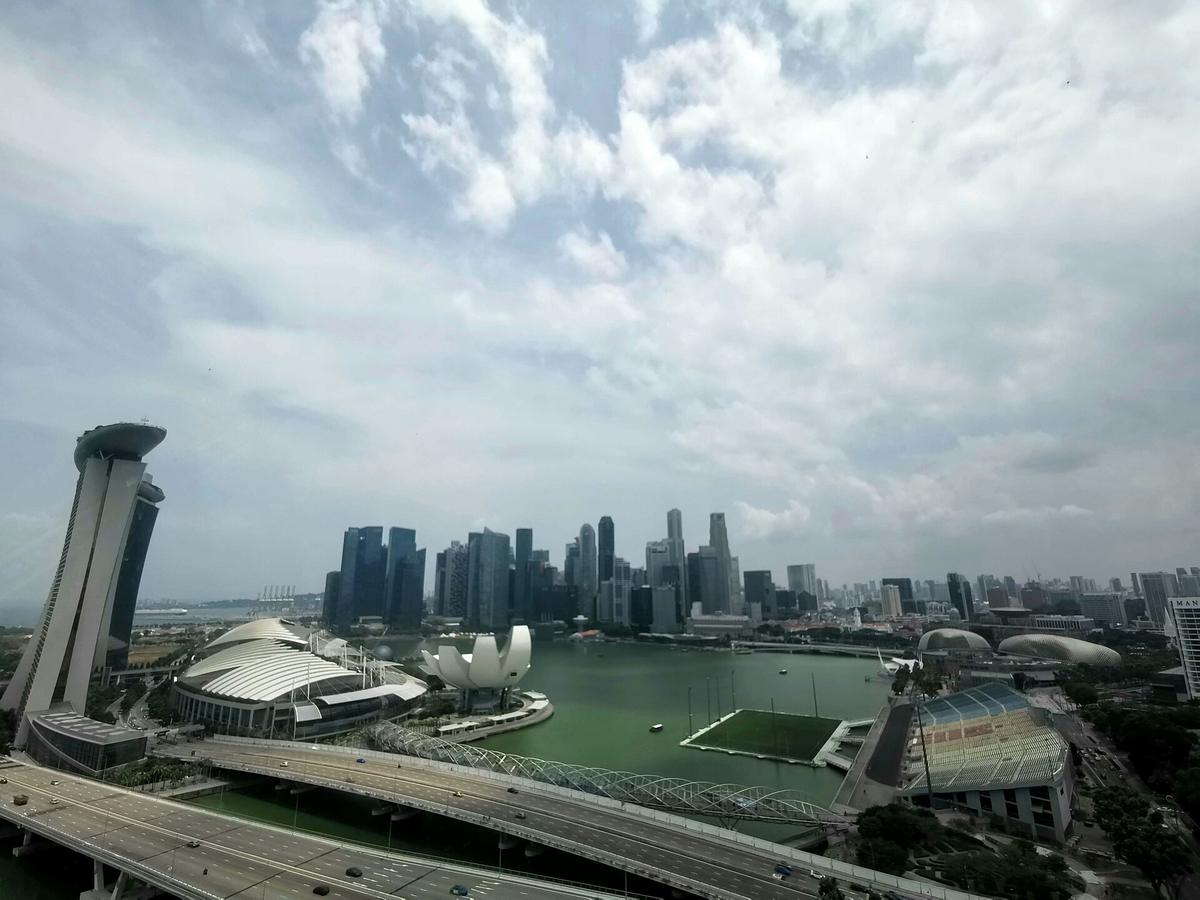
When the sun sets over the equator, the instinct for many visitors is to head straight to the skyline spectacle of Marina Bay. That instinct is well rewarded, but it also leaves some of Singapore's most atmospheric heritage precincts surprisingly quiet. The Singapore River and the historic districts that flank it transform after dark into a walkable gallery of illuminated bridges, conserved shophouses and waterfront promenades that tell the story of the city long before the glass towers arrived. This route connects three heritage zones along a single navigable spine, designed for an evening spent on foot with the option to dip into seasonal festivals or guided tours when the calendar aligns.
The spine of this walk is the Singapore River Promenade, a 2.4-kilometre park connector that runs from Kim Seng Road to North Boat Quay. It is wheelchair-friendly and lit from seven in the evening until seven the next morning, making it a practical backbone for a self-guided night route. From there, the walk branches into three historic quays and two of the National Heritage Board's most detailed neighbourhood trails. The result is an evening that moves from colonial-era bridges to the conserved palace of Malay royalty, and from the glow of a modern Buddhist temple to the spice-scented lanes of Little India.
Tracing the Quays from Cavenagh Bridge to Robertson Quay
The National Heritage Board has mapped an official Singapore River Walk that traces the waterway's development from Collyer Quay to Robertson Quay. The route strings together three historic quays, each with a distinct evening character. Boat Quay, closest to the river mouth, is the most compressed and energetic. Clarke Quay sits in the middle with its colourful conserved godowns now housing restaurants and bars. Robertson Quay, furthest upstream, feels more residential and unhurried.
The walk passes several bridges worth stopping to examine. Cavenagh Bridge, completed in 1869, is the oldest surviving bridge across the river still in its original form. A short distance away, the present Elgin Bridge structure dates to 1929, though a crossing has existed on this spot since the earliest days of colonial settlement. Further upstream, Alkaff Bridge was built in 1997 and is shaped to resemble a tongkang, the cargo boat that once crowded these waters. Seeing these three bridges in a single evening walk gives a compressed lesson in the river's evolution from trade artery to civic waterfront.
If your visit falls in September, the Singapore River Festival adds a layer of programmed activity across all three quays. The festival organises the river into themed zones: an Entertainment Zone at Boat Quay, an Expression Zone at Clarke Quay, and a Lifestyle and Wellness Zone at Robertson Quay, with light and projection shows alongside music and performances. The festival dates shift annually, so check the current year's schedule with the organiser, Singapore River One, before planning around it.


The Twin Quays Tour and the Jiak Kim Godowns
For a deeper look at the upper reaches of the river, Singapore River One runs a 90-minute experience called Whispers of the Twin Quays. It combines a curated boat ride with a guided heritage walk covering Clarke Quay and Robertson Quay. The standout feature is exclusive access to the conserved Jiak Kim Street godowns at Fraser Residence River Promenade. These former warehouses are not generally open to the public, so the tour offers a rare chance to step inside a piece of the river's working past. Tour schedules and pricing are subject to change, so confirm availability directly with Singapore River One before booking.
Editorial advice: if you can only do one organised activity along the river, the Twin Quays tour offers something the self-guided promenade walk cannot replicate, namely interior access to a conserved godown. The tradeoff is that you are locked into a fixed schedule and group pace, whereas the Singapore River Promenade and the NHB River Walk are entirely self-directed and free.
Kampong Glam After Dark
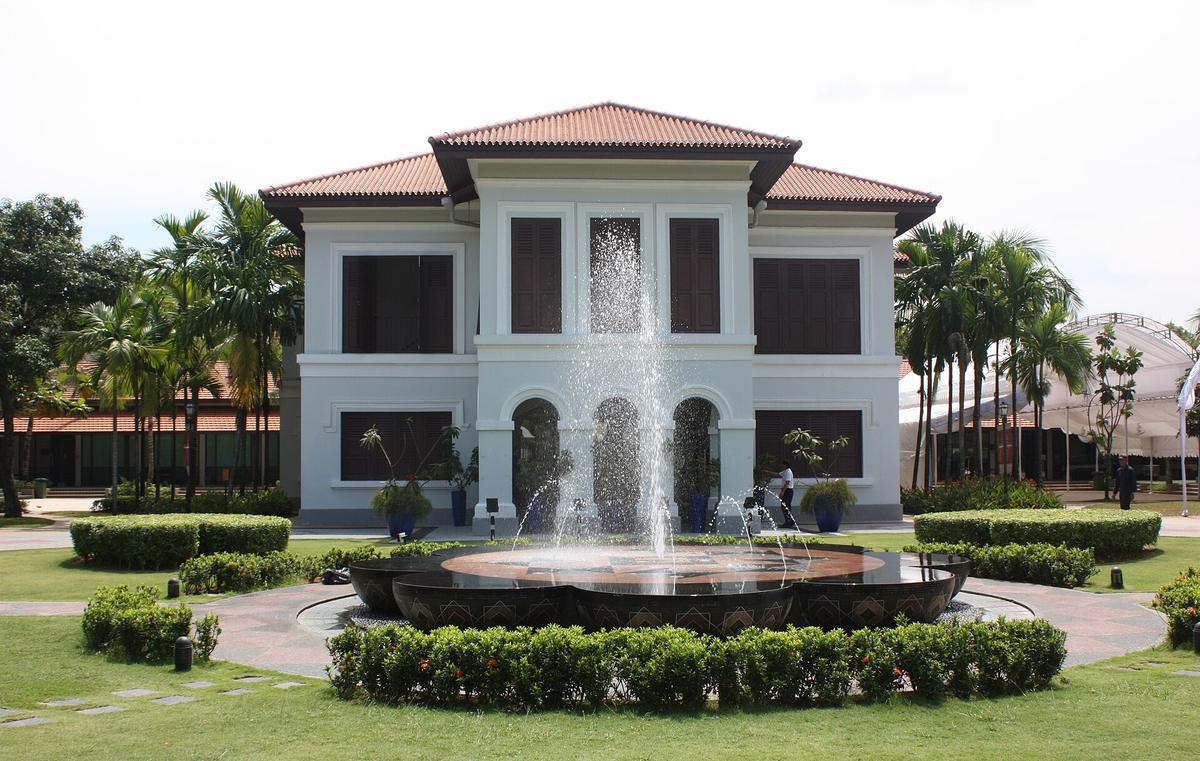
A short walk north of the river, the Kampong Glam Heritage Trail covers the conserved core of the district bounded by Ophir Road, Victoria Street, Jalan Sultan and Beach Road. Launched by the National Heritage Board in 2012, the self-guided route begins at the Malay Heritage Centre and ends at Masjid Sultan.
The Malay Heritage Centre occupies the former Istana Kampong Gelam, a palace commissioned by Tunku Ali, son of Sultan Hussein, upon his return to Singapore in 1840. It was once the seat of Malay royalty on the island. At the trail's endpoint, Masjid Sultan dominates the neighbourhood skyline. The current structure was built in 1924 to replace the original mosque that Sultan Hussein had constructed around 1824, and it is a gazetted National Monument. The golden dome catches the evening light and, once illuminated after dark, becomes the visual anchor of the entire precinct.
The streets between these two landmarks are lined with conserved shophouses now occupied by textile shops, perfumeries and Middle Eastern eateries. Walking the trail at night means cooler temperatures and fewer crowds, though the tradeoff is that the Malay Heritage Centre's galleries will likely be closed. Check the centre's current operating hours with the National Heritage Board before setting out if you want to go inside. The exterior architecture and the streetscape remain accessible regardless.
Little India’s Walk of Faiths
The National Heritage Board's Little India Heritage Trail covers over 40 heritage sites across four kilometres, organised into three thematic sub-trails. For a night walk, the most logistically sound choice is the Walk of Faiths route. It runs 2.6 kilometres and connects 11 religious sites, several of which remain visually striking after sunset.
Among them is Abdul Gafoor Mosque, a National Monument built in 1907 with an intricate sundial and Arabic calligraphy on its facade. Sri Veeramakaliamman Temple, dedicated to the goddess Kali, is one of the oldest Hindu temples in the district. Shree Lakshminarayan Temple is notable as the only North Indian Hindu temple in Singapore, a distinction that sets it apart architecturally from the more common South Indian temples in the area. Sakya Muni Buddha Gaya Temple, sometimes called the Temple of a Thousand Lights, houses a large seated Buddha surrounded by a chain of small lamps.
The NHB estimates the Walk of Faiths takes about one hour at a normal walking pace, though that does not account for stops. In practice, an evening walk that includes time to observe the exteriors and perhaps step inside a temple or two will run longer. Dress respectfully if you plan to enter any place of worship; the same rule applies across all religious sites on this route.
Chinatown’s Illuminated Landmark
Chinatown sits south of the river and is dense with heritage, but for a focused night stop one landmark stands out. The Buddha Tooth Relic Temple and Museum on South Bridge Road was built in 2007 at a cost of S$75 million and houses what Buddhists regard as the left canine tooth of Buddha. Entry is free. The temple enforces a dress code: shoulders must be covered and shorts or mini-skirts are not permitted. The building's Tang dynasty-inspired architecture is dramatically lit at night, and the interior contains multiple halls and a rooftop garden with a prayer wheel.
Opening hours are mutable and should be confirmed directly with the temple or the Singapore Tourism Board before visiting. Even if the museum galleries have closed for the day, the temple's exterior and street-level courtyard offer a worthwhile visual stop on a night walking route.
Timing Your Visit with the Singapore Night Festival
If your travel dates are flexible, the Singapore Night Festival transforms the Bras Basah.Bugis precinct into a large-scale nocturnal arts event. The 17th edition runs from 21 August to 5 September 2026, themed Myths and Legends. Festival hours are 7:30 pm to midnight on Fridays and Saturdays, and 7:30 pm to 11:00 pm Sunday through Thursday. Most programmes are free. The precinct sits between Kampong Glam and the Singapore River, making it a natural addition to the route described above.
The festival dates and programme change each year. For any year beyond 2026, confirm the current schedule with HeritageSG or the festival organisers. The same applies to the Singapore River Festival, whose 10th edition runs from 11 to 20 September 2026. In a year when both festivals overlap, you could theoretically walk from the Night Festival in Bras Basah.Bugis to the River Festival along the quays in a single evening, though the combined distance would be substantial. As an editorial recommendation, pick one festival zone per night and pair it with the nearest heritage trail rather than attempting to cover both festivals in one go.
Sources and verification
- roots.gov.sg — Research source checked for this guide
- roots.gov.sg — Research source checked for this guide
- pcn.nparks.gov.sg — Research source checked for this guide
- nhb.gov.sg — Research source checked for this guide
- artsandculture.google.com — Research source checked for this guide
- roots.gov.sg — Research source checked for this guide