Chinatown Wet Market Morning Walk Fresh Produce and Local Life
The Basement Heart of Chinatown Complex
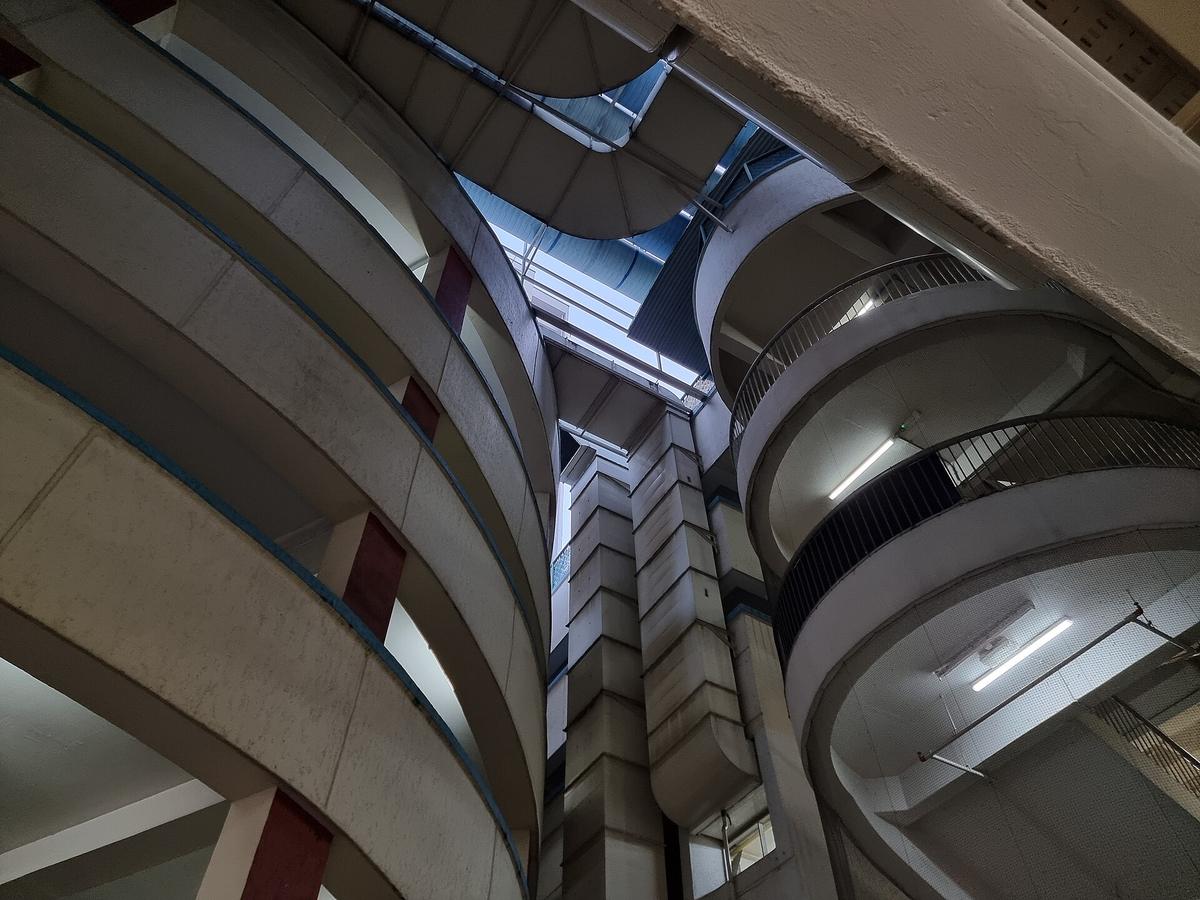
Walk past the red facade of Chinatown Complex at 335 Smith Street and you might miss the wet market entirely if you stay at street level. The action happens one floor down. Descend to Basement 1 and the air changes. The cool, damp scent of fresh produce and the sound of water splashing on concrete signal that you have arrived at Singapore's largest wet market by stall count. The complex itself dates back to 1983, when it opened as Kreta Ayer Complex to rehouse the street hawkers who once defined the neighbourhood. Renamed Chinatown Complex in 1984, the building now holds roughly 477 market-produce stalls across the wet market and dry goods sections, with another 226 cooked-food stalls on the upper floor.
The basement layout rewards a slow, curious pace. Narrow aisles separate stalls packed tightly together, and the morning hours bring the most activity. Vendors hose down their work areas, arrange displays of glistening seafood, and call out to regular customers in a mix of dialects. This is not a curated tourist experience. It is a working market where residents shop for the day's meals, and the rhythm of trade feels unchanged in decades even as the city above modernises at speed.
What You Will See at the Stalls
The wet market sells a wide range of fresh food that reflects the culinary diversity of Singapore. In the seafood section, tanks hold live crabs, lobsters, prawns, eels, frogs and turtles. Vendors net them on request, and the handling is swift and practised. Adjacent rows offer fresh meat and poultry displayed on chilled counters. Further along, the produce aisles carry Asian vegetables that may be unfamiliar to visitors: leafy greens like kangkong and chye sim, gourds, bitter melons and fresh herbs tied in bundles. Tropical fruits appear in seasonal waves, from rambutans and mangosteens to durians when the harvest peaks.
Beyond fresh produce, the market includes stalls dedicated to tofu in various textures, fresh and dried noodles, eggs stacked in trays, and sacks of dried goods such as mushrooms, anchovies and chillies. Spice vendors sell ground pastes and whole seeds, and the aroma of star anise and cinnamon drifts through certain corners. The variety means a single walk through the basement can cover the full supply chain of a home-cooked Singaporean meal.

Timing Your Visit
The wet market is most active between roughly 7am and 10am. By noon, most wet-market vendors are closing or have already shut their stalls. If you want to see the market at full energy, arrive early. The exact opening time varies by stall. Some vendors begin setting up as early as 6am, while others open closer to 7am. There is no official uniform opening hour enforced across the market, and each vendor sets their own schedule. This means a visit at 8am on a weekday will feel different from one at 10am on a Saturday, and neither is guaranteed to show every stall in operation.
Because individual stall hours are not fixed, it is worth treating the morning window as a guideline rather than a timetable. The National Environment Agency oversees hawker management policy, but the Jalan Besar Town Council manages and maintains the complex. Neither body publishes a stall-by-stall schedule. If you have a specific purchase in mind, the safest approach is to arrive during the core morning period and accept that some vendors may close earlier than others.
Practical Details for a Smooth Walk
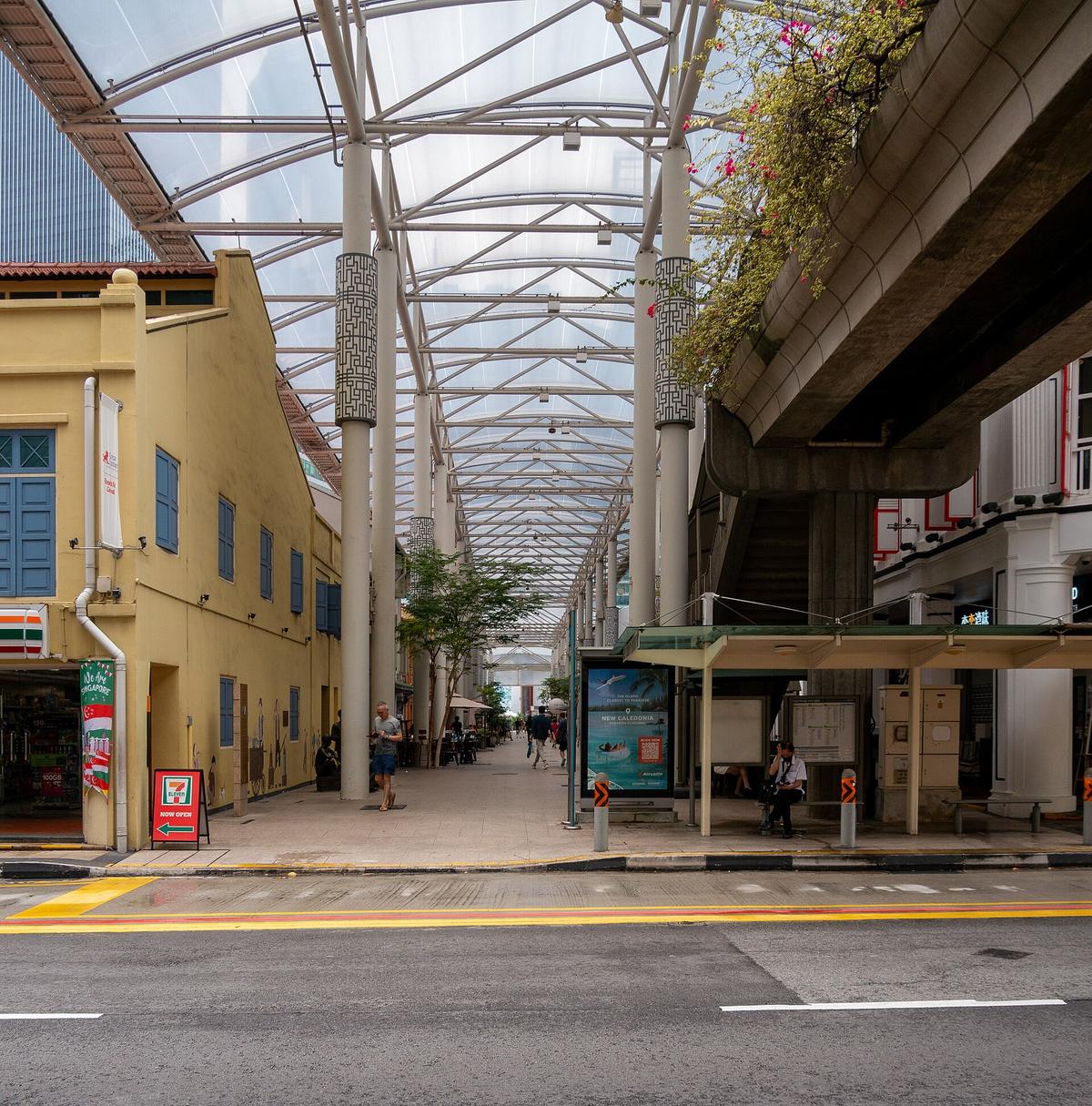
Entry to the wet market and the entire Chinatown Complex is free. The nearest MRT station is Chinatown on the North East and Downtown Lines, roughly a three-minute walk away. Maxwell MRT station on the Thomson-East Coast Line is about five minutes away on foot. Both routes bring you into the heart of the Chinatown precinct, and the complex is easy to spot from Smith Street.
Payment methods vary by stall. Cash in Singapore dollars is still widely used, though some vendors now accept digital payments through PayNow and PayLah!. There is no guarantee that a given stall will offer cashless options, so carrying sufficient cash is a practical precaution. The National Environment Agency notes the shift toward digital payments across hawker centres, but adoption remains uneven at the individual vendor level.
Navigating the Complex Layout
Understanding the building's three-level structure helps you plan your visit. The wet market occupies Basement 1. The ground floor, Level 1, houses sundry and retail shops selling household goods, clothing and dry provisions. The hawker centre with its cooked-food stalls sits on Level 2. This separation means you can browse raw ingredients in the cool basement, then head upstairs for a meal made from the very produce you have just seen. The vertical arrangement keeps the wet market's operations contained while placing the dining experience above street level with natural light.
The complex is Singapore's largest hawker centre and market by stall count, and the sheer number of vendors means a first visit can feel disorienting. The aisles follow a loose logic by product type, but signage is functional rather than interpretive. Allow time to wander without a fixed route. The discoveries come from turning a corner and finding a stall specialising in fresh rice noodles or a row of butchers breaking down cuts of pork with cleavers.
Renovation Plans and Closures to Watch
A major renovation of Chinatown Complex was originally planned for March 2026 but has been postponed. The works, which cover lifts, lighting, ventilation and accessibility improvements, now have no confirmed start date. A task force comprising the Jalan Besar Town Council, the National Environment Agency, the Housing and Development Board and the hawkers' association is still conducting feasibility studies. Hawkers have expressed a preference for a 2027 start during the low season, but no official announcement has been made.
Separate from the major renovation, the complex closes quarterly for scheduled cleaning. The National Environment Agency publishes these closure dates on its data portal. The next scheduled closure of the entire complex, covering both the wet market and the hawker centre, is Monday 16 November to Tuesday 17 November 2026, with reopening on Wednesday 18 November 2026. These dates are subject to change, so checking the NEA announcements page before visiting is a sensible step if your trip falls near a scheduled closure window.
Making the Most of a Morning Walk
A visit to the Chinatown Wet Market works best as an unhurried morning experience. Arrive by 8am, walk the basement aisles with your senses open, and let the market's rhythm set the pace. Watch how locals select produce, squeezing limes and inspecting fish eyes for freshness. If you buy something, the interaction with a vendor becomes part of the experience. Even without purchasing, the visual and sensory immersion offers a window into daily life that polished tourist attractions cannot replicate.
After the market, the ground-floor sundry shops and the Level 2 hawker centre extend the visit naturally. The complex rewards those who treat it as a layered destination rather than a checklist stop. The wet market is the anchor, but the building's full character emerges when you move between its levels and see how the raw ingredients downstairs become the dishes upstairs.
Sources and verification
- nea.gov.sg — Research source checked for this guide
- nlb.gov.sg — Research source checked for this guide
- experience.sg — Research source checked for this guide
- hdb.gov.sg — Research source checked for this guide
- singaporefood.tours — Research source checked for this guide
- channelnewsasia.com — Research source checked for this guide